
Infotronic Systems Engineering, BSc
For tech-savvy problem-solvers
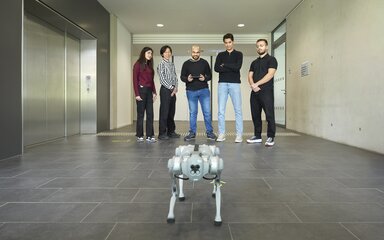
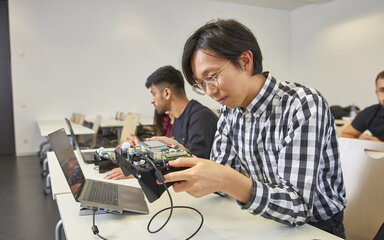
If you’re interested in the cutting edge and enjoy solving complex puzzles involving technology, then Infotronic (= informatics + electronics) Systems Engineering is for you. Here you’ll cut your teeth on a wide range of data collection systems and their uses, studying computer science, data processing, electrical technology and signal processing technology along the way. At the end of this challenging path stands an engineer who can effectively plan and build complex, interconnected systems.
At a glance
Bachelor of Science
Full-time
7 semesters
Restricted
Kamp-Lintfort
English
1 September
Why study Infotronic Systems Engineering, BSc at Rhine-Waal?

What makes this degree programme special?
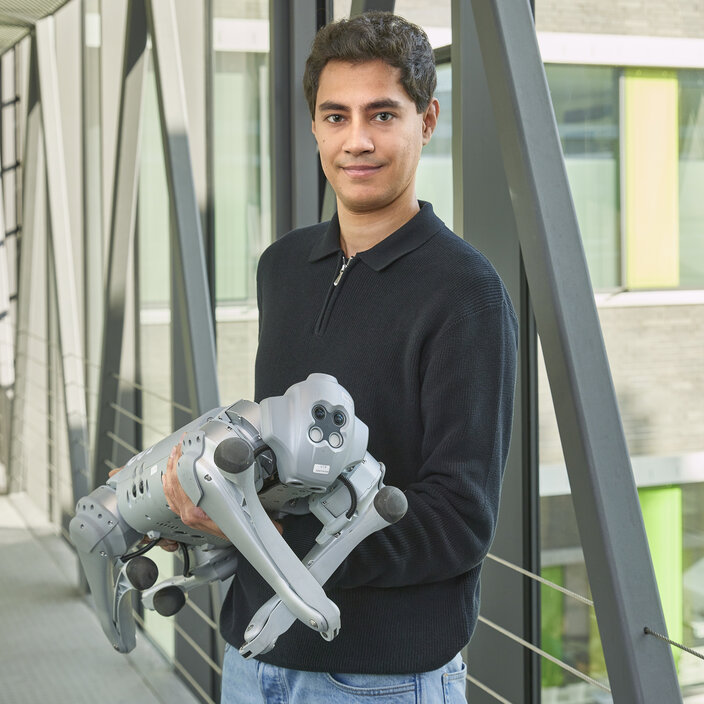
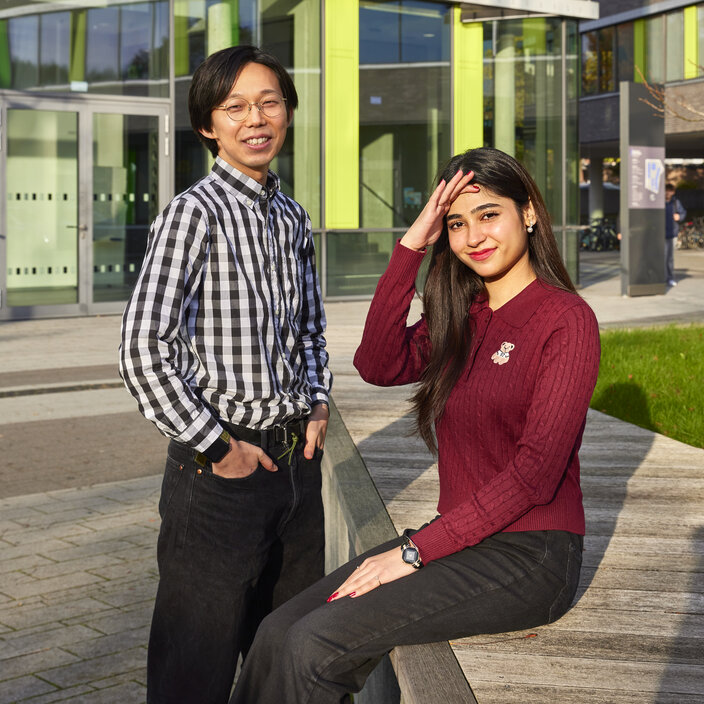
Syed Mohammad Hasan Naqvi shares his experiences.
Programme structure and content
Your future? Fully connected.
Technical systems that intelligently connect hardware and software are everywhere – in our cars, smart homes and across industry. To develop these systems sustainably, we need people like you: tech enthusiasts who can design, programme, improve and maintain them.
After graduation, you’ll be ready for careers in development, automation, project management, consulting or innovation – across industries and around the world.
During the first four semesters, you’ll build a solid foundation in electrical engineering, physics, computer science and mathematics. You’ll learn how to work scientifically, analyse problems systematically and develop creative technical solutions – giving you the ideal foundation for the rest of your studies.
From the fourth semester onwards, you can choose your own areas of specialisation, such as artificial intelligence, information security, drone technology or business. This allows you to shape your studies around your interests, skills and career goals.
As part of an interdisciplinary project, you’ll work independently on a practical topic and gain valuable experience collaborating with students from other degree programmes in the faculty. In the sixth semester, the choice is yours: spend a semester abroad or complete an internship semester. Either option will strengthen your individual profile and give you new perspectives.
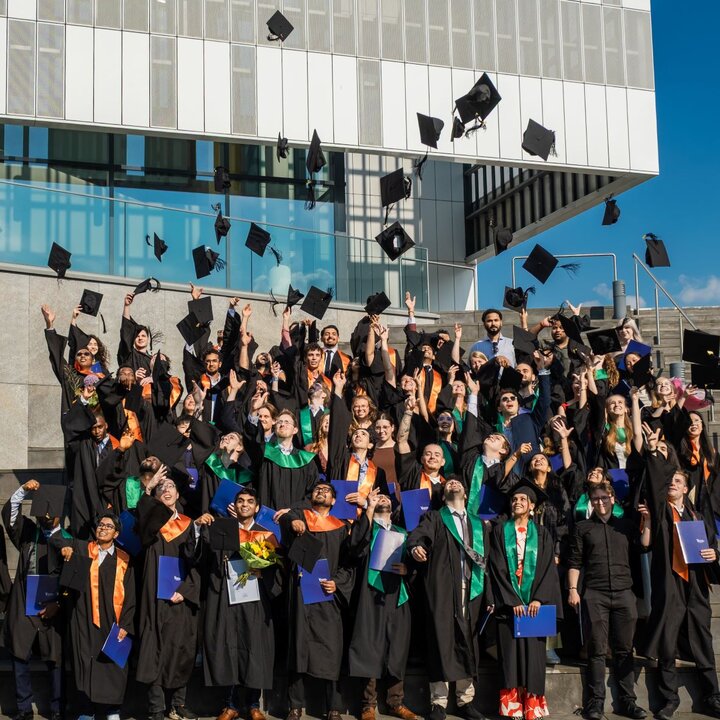
To complete your degree, you’ll write your Bachelor’s thesis and present your work in a final presentation. This will prepare you for starting your career in industry or continuing your studies with a Master’s degree.
Yes. In the sixth semester, you can choose between an internship semester and a semester abroad. During the internship semester, you’ll apply what you’ve learnt directly in a company and experience how technical systems work in practice. You’ll also make valuable industry contacts and gain realistic insights into your future career.
A semester abroad gives you the opportunity to broaden your horizons, improve your English and gain further international experience. It helps you grow personally, develop your intercultural skills and strengthen your profile for the job market.
Both options allow you to pursue your own interests, gain valuable experience and enhance your future career prospects.
The entire degree programme is taught in English. But don’t worry – you don’t need to be a native speaker. A solid level of school English is usually enough. Technical terms are explained, and you’ll quickly get used to studying in English. After the first few weeks, it will start to feel natural, and you’ll become increasingly confident in international settings. If you’d like some extra support, you can also take language courses at the university to further improve your English.
The best part is that you’ll improve your language skills naturally along the way – in lectures and practical sessions, while working on projects and through everyday interaction with your international fellow students. By the time you graduate, you’ll not only have strong technical expertise, but also the language skills you need for the global job market – an advantage that many employers really value.
We welcome applications from nationals of all countries. Please check here for general admission requirements.
For the Infotronic Systems Engineering degree programme, the following additional requirements apply:
- An interest in technical challenges and innovative technologies
- English language skills (Certificate at level B2 according to the Common European Framework (CEF))
Application process
This degree programme has restricted admission. This means that there are only a limited number of places available. If the number of applications exceeds the number of places available, a selection process will take place. Places are allocated in accordance with the regulations of the federal state of North Rhine-Westphalia.
Following the selection process, you will receive either:
- a letter of admission or
- a letter of rejection.
If you are offered a place, you must enrol at Rhine-Waal University of Applied Sciences within the specified deadline (you will find instructions on how to do this in the letter of admission, which you can download from the university’s application portal). Only then is your place on the course secured.
Admission letters for degree programmes with restricted admission are usually sent out at the beginning of August.
Nummerus Clausus (NC)
For some degree programmes, admission is only possible with a specific (subject) A-level mark (Nummerus Clausus). The NC is set anew each year; figures from previous years serve as a guide.
Waiting list procedure
Sometimes, admitted applicants do not take up their place. In this case, the vacant places are allocated through the waiting list procedure.
This procedure usually begins in late August or early September. If you have applied by the deadline, you will automatically be included in the process.
Lottery
If places are still available after this, a lottery may also take place. The lottery procedure is used to allocate study places that remain available after the regular allocation process has been completed. Interested applicants can register for the lottery procedure via the university’s application portal by 1 September; places are then allocated by random selection from among all valid applications.
First, register on hochschulstart.de. There, you will be given an applicant ID (BID) and an applicant authentication number (BAN).
You can then use these details to apply via Rhine-Waal University of Applied Sciences’ Application portal.
First, register on hochschulstart.de. There, you will be given an applicant ID (BID) and an applicant authentication number (BAN).
You can then use these details to apply via uni-assist.
Insights

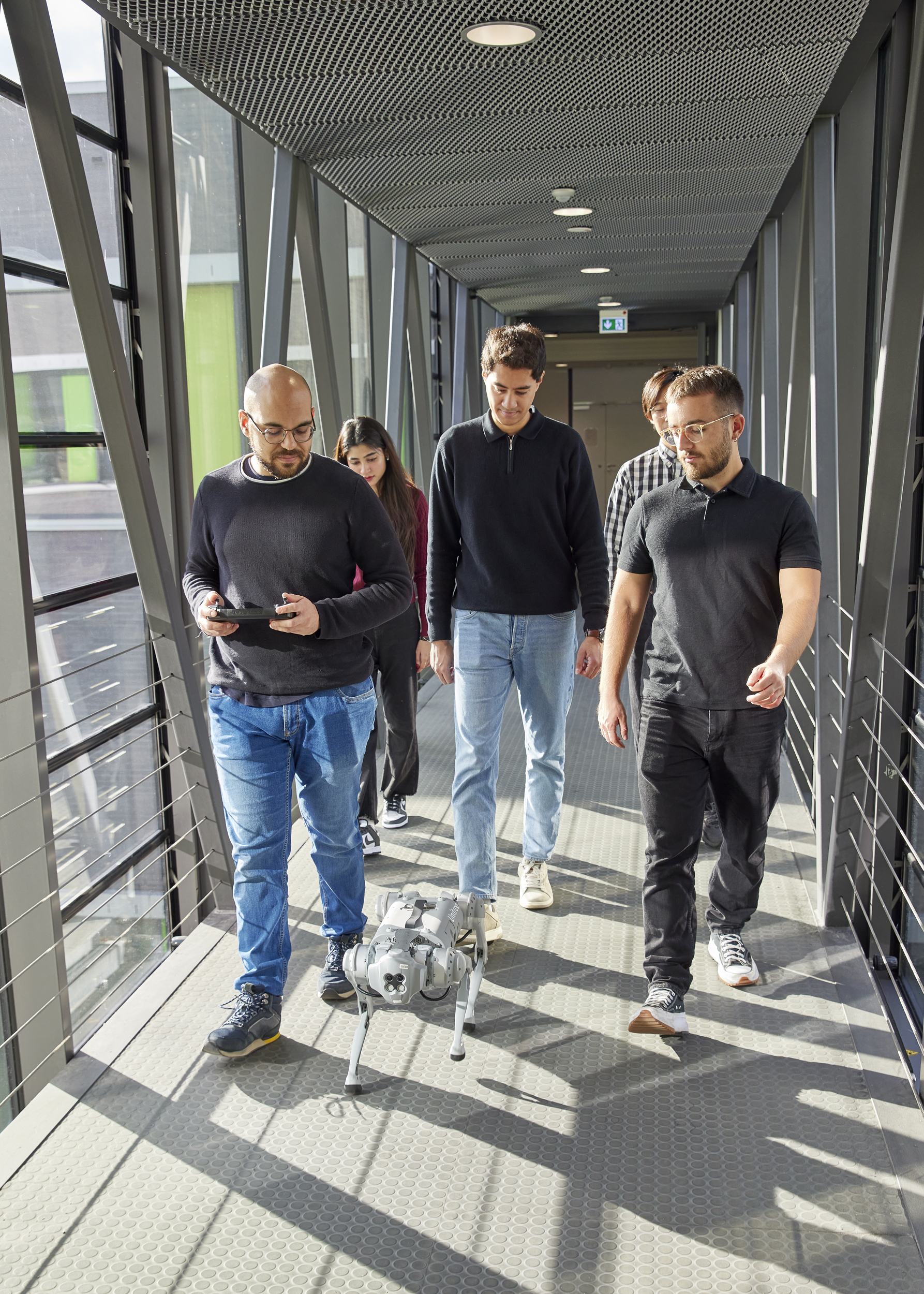
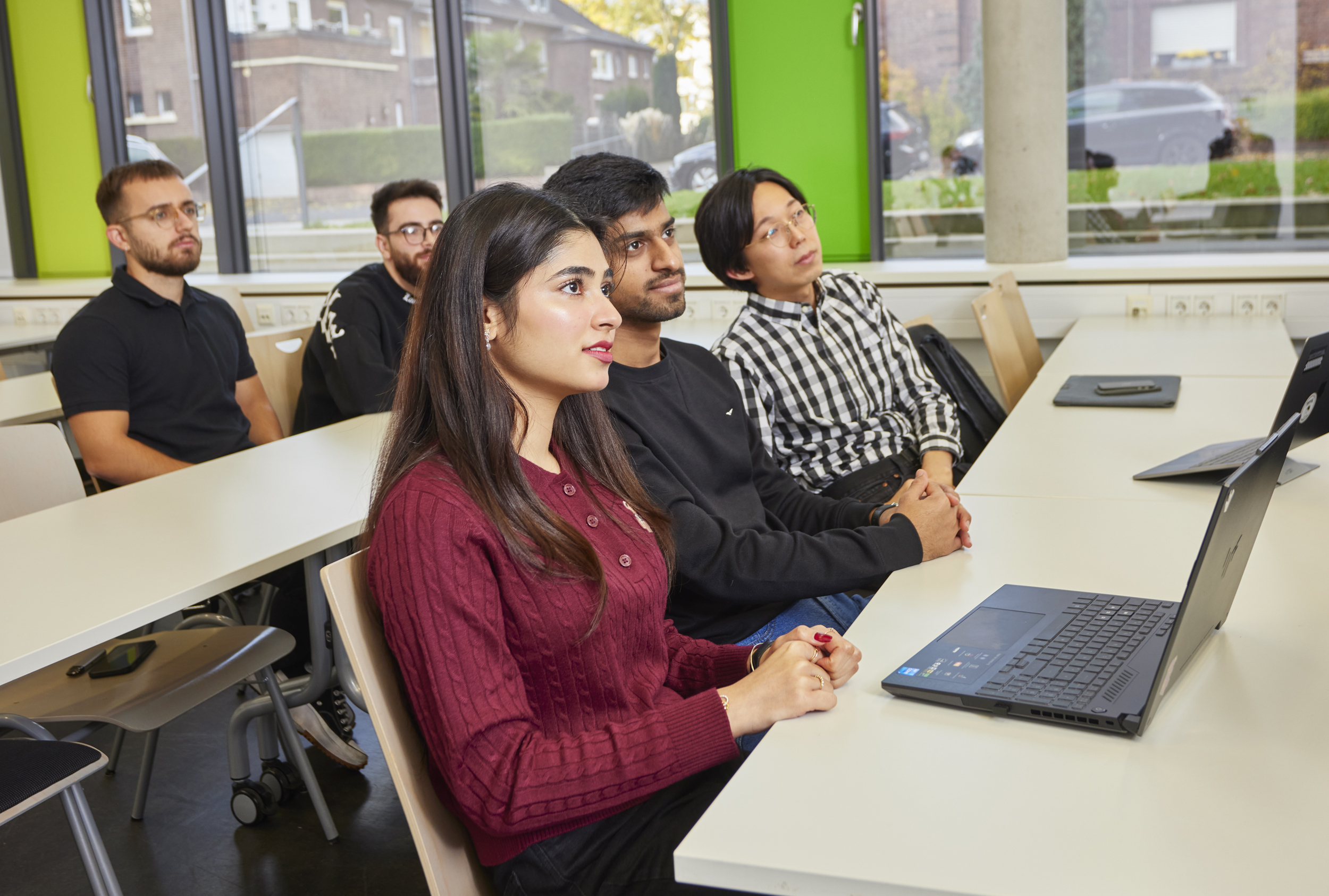
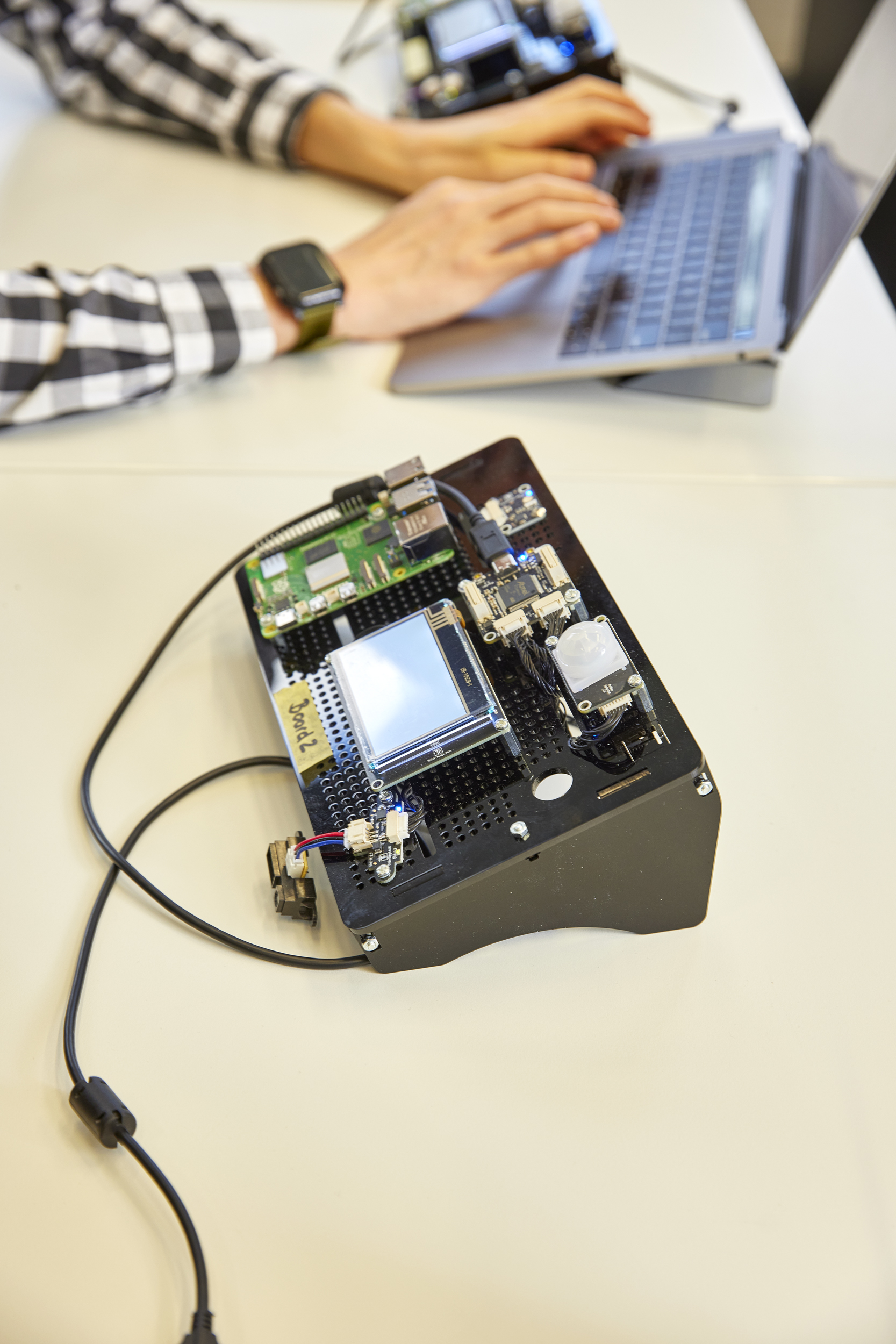
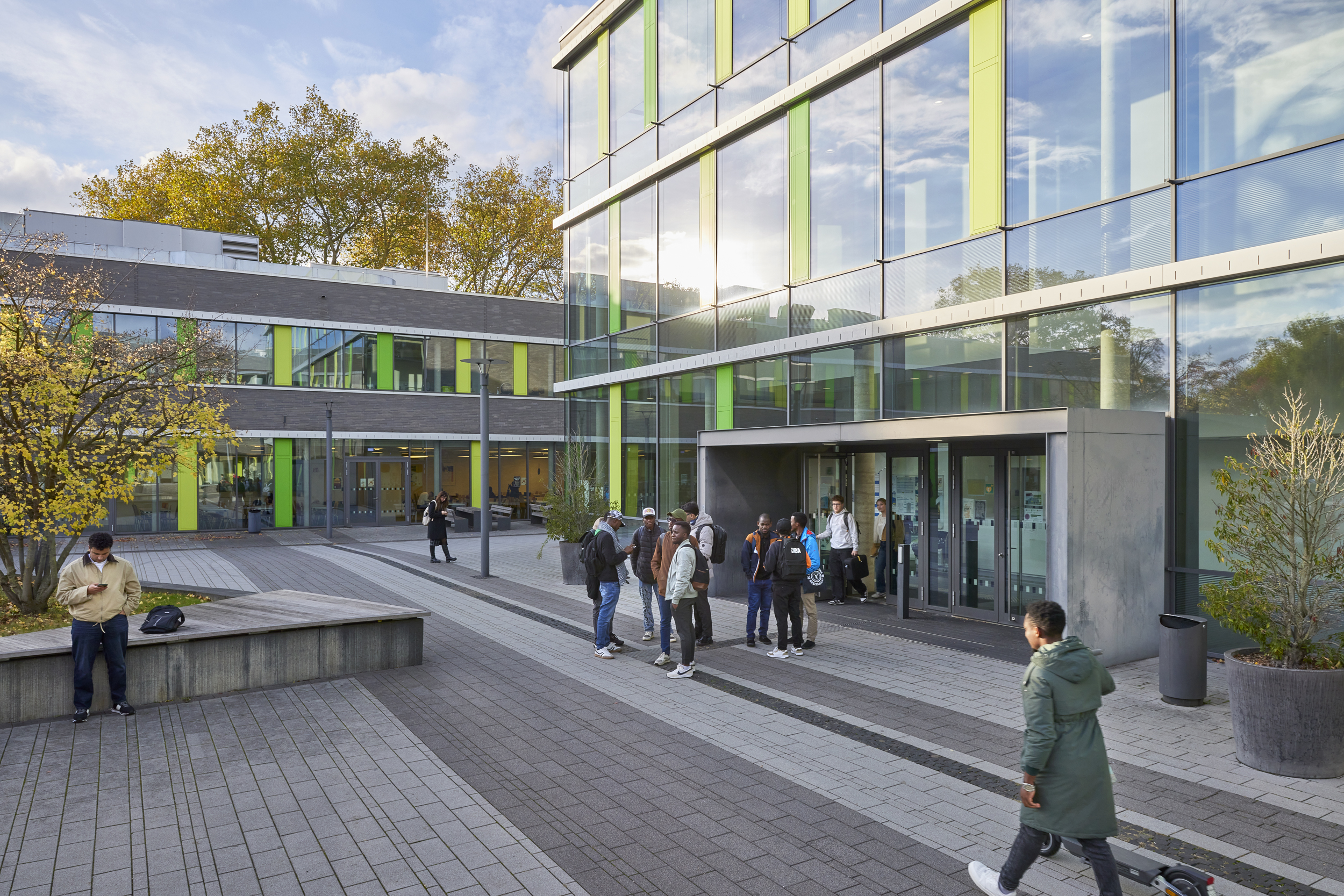
Campus
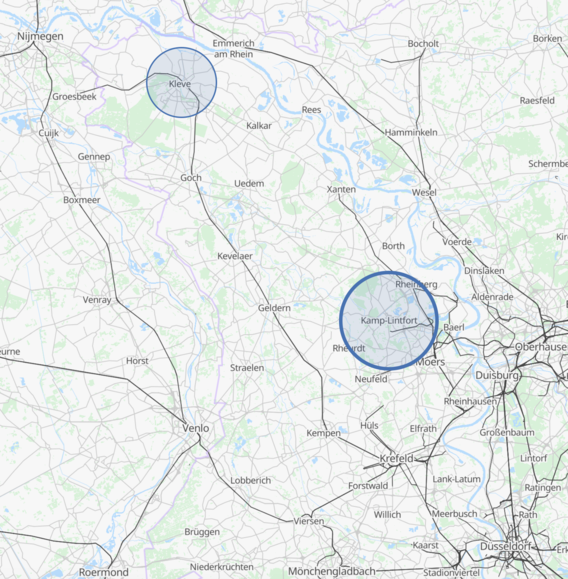
Kamp-Lintfort Campus
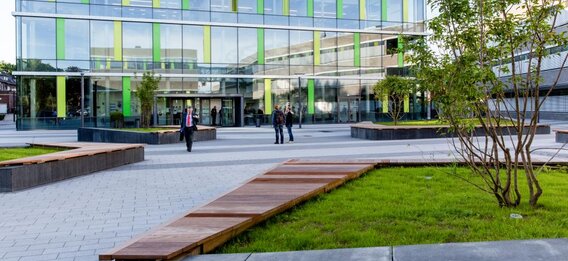
Related degree programmes
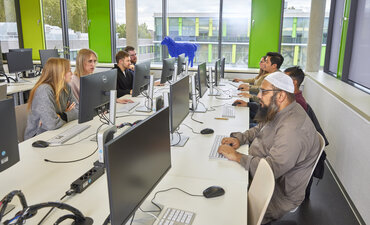
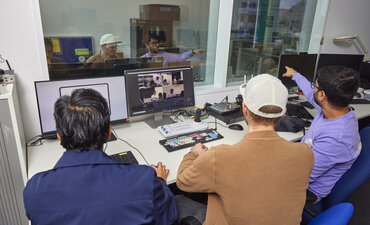

Student information

All about your studies
Bridging courses are intensive courses designed to help you prepare for your degree before your studies begin. Participation is voluntary and no credit points are awarded. You can use the courses to refresh your existing knowledge and fill in any small gaps before starting your studies.
The courses are held before the start of the winter semester, usually in September. The upcoming course programme will be available at the link below in due course.
The office of the examination board is the central point of contact for all questions and inquiries regarding examinations at your Faculty (Faculty of Communication and Environment).
Office of the Examination Board
On their website you will also find an overview of your first points of contact for various examination-related matters.
Overview
There is also a central Examinations Service for the entire University. It handles the administrative implementation of decisions made by the Examination Board and manages examination-related processes.
Examination Service
Your Faculty of Communication and Environment and the University’s central services offer advice and support throughout your studies – whether you need help with academic matters or personal challenges.
Advice and support services offered by the Faculty
Do you have any questions about your degree programme or exam-related matters? Are you experiencing issues with lecturers, or are you looking for personalised advice? Here you’ll find an overview of the key points of contact within the Faculty of Communication and Environment.
Services offered by the Faculty
Central advisory services
The university’s central advisory services are here to support you with a wide range of topics during your studies and beyond. Whether you need help with finding academic literature, developing a business idea, dealing with mental health challenges, studying with children or a disability, or have questions about anti-discrimination, you’ll find the right contacts and support for different situations in your studies and everyday life.
Central student services
The Central Student Services team is your main point of contact for organisational and administrative questions about your studies. They can help you with applications and admission, enrolment and deregistration, re-registration and leaves of absence, changing degree programmes, as well as questions about semester fees, certificates or health insurance notifications.
Contact
Programme Assistant
Ms Petra Kastowsky
Tel: 02842/908259821
petra.kastowsky(at)
Office hours (room number 02 00 455)
Monday–Thursday: 10.00–12.15 and by appointment
Monday, Tuesday, Thursday: 13.30–15.00 and by appointment