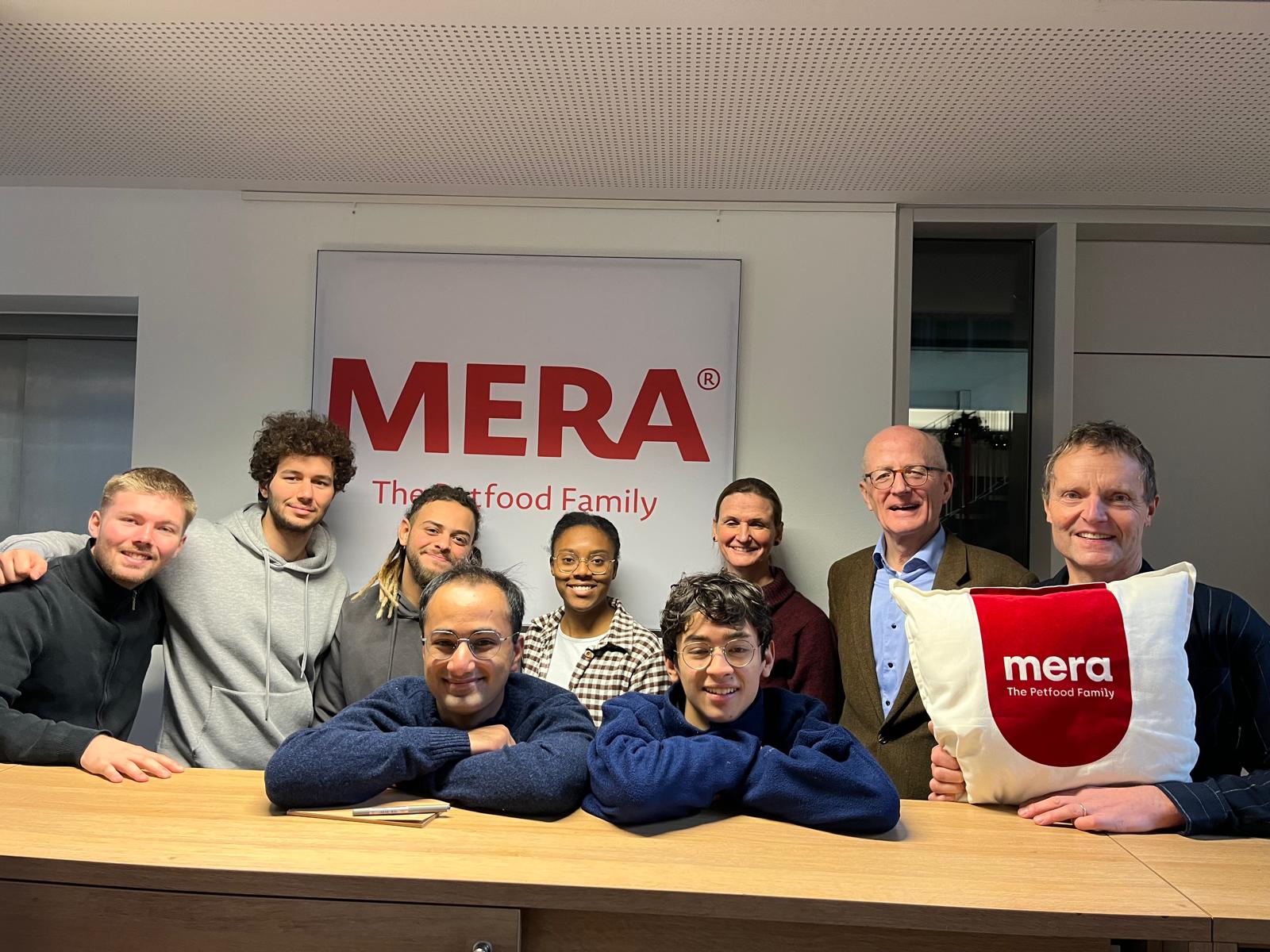
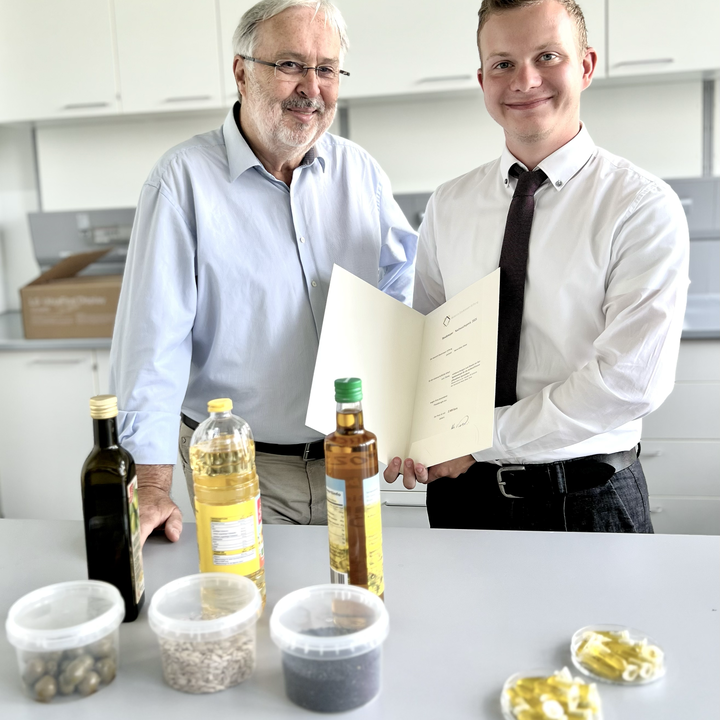
A collaboration between students from Rhein-Waal University of Applied Sciences and the Catholic University of Lyon (UCLY) has resulted in innovative and sustainable packaging solutions for Mera Pet Food, a leading pet food manufacturer. This project, which was supported by students from the Bioengineering, Sustainable Agriculture and Quality, Environment, Safety and Hygiene degree programmes, focused on developing environmentally friendly alternatives to Mera’s current plastic-based storage of raw material samples and continues a tradition of successful international partnerships between the two institutions.
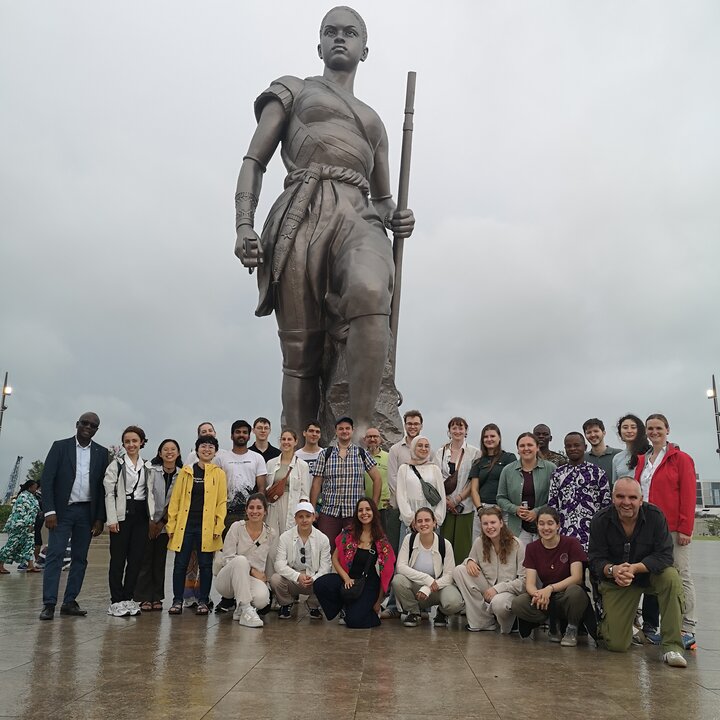
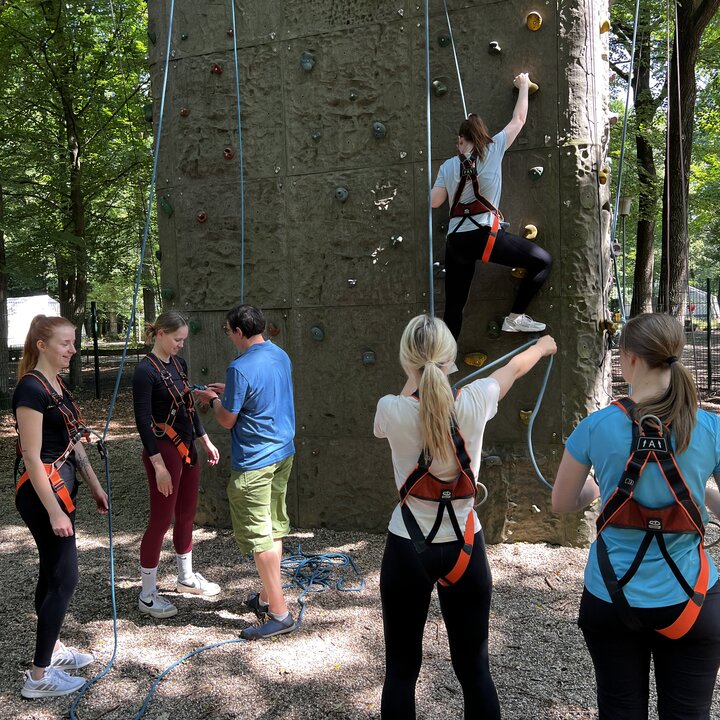
This latest collaboration is by no means an isolated case. Rhein-Waal and UCLY have a long history of joint initiatives, particularly within the framework of the Erasmus programme. As part of a week-long Erasmus programme, students from Germany, Finland, Sweden, the Czech Republic and UCLY come together in Lyon to develop innovative strategies for promoting environmentally friendly behaviour within the community. They are engaged in intensive brainstorming and intercultural discussions, leading to creative ‘green ideas’ designed to promote sustainable practices.
Under the guidance of Prof. Dr.-Ing. Rudolf Schumachers, Prof. Dr. Simone Pauling and Dr Stefan Mandel (Mera Pet Food), the student team worked on the Mera project and proposed replacing conventional plastic bottles with containers made from polylactic acid (PLA), a biodegradable bioplastic, and cellulose. These materials offer a sustainable solution as they are derived from renewable raw materials and decompose naturally, thereby minimising the environmental impact. Furthermore, the project investigated the potential for using the packaging, together with its contents, as a substrate for biogas production, thereby providing a closed-loop system for waste management.
To further enhance sustainability, the students recommended the use of biodegradable algae-based inks and labelling with QR codes, thereby reducing the need for separate, potentially non-recyclable labels. This approach not only minimises waste but also improves the traceability of raw materials. The project addressed key challenges, such as ensuring the durability of containers for storing liquids and aligning the degradation rates of PLA with those of the various raw materials.
This successful collaboration underscores the commitment of both universities and Mera Tiernahrung to sustainable practices. This initiative is an example of the innovative research carried out within the Faculty of Life Sciences and demonstrates the potential of interdisciplinary and international collaboration to tackle real-world sustainability challenges in industry.