

Through the PRO4-HSRW project, Rhine-Waal University of Applied Sciences (HSRW) specifically supports early-career researchers and is further developing the career path to a professorship at a university of applied sciences. PRO4-HSRW offers a four-stage, innovative concept that maps out career development pathways, responds to current developments in higher education policy (doctoral degrees at universities of applied sciences, internationalisation, strengthening knowledge transfer and research) and takes a holistic approach to equality and diversity. In this way, different groups of people at various stages of their careers receive tailored support to meet the requirements of staff recruitment and academic excellence.
The programme is funded by the Federal Ministry of Research, Technology and Space (BMFTR) and the Joint Science Conference (GWK) (funding period: 1 July 2021–30 June 2027).
Objectives
The aim of the project is, on the one hand, to raise the profile of a professorship at a University of Applied Sciences as an attractive career option and, on the other hand, to support and encourage those who are interested in a professorship at a University of Applied Sciences, are on their way to securing one, or have just taken up their post. The overall PRO4-HSRW project thus leads to better support and to the sustainable strengthening and development of the professorial staff at Rhine-Waal University of Applied Sciences (HSRW) and beyond.
The university is pursuing the following main objectives with this project:
- Development of a coherent career strategy for staff recruitment.
- Implementation of measures that address the key challenges of staff recruitment at universities of applied sciences in line with the qualification phase.
- Increasing competitiveness through the implementation of an experimental 12+1 concept and specialised professorships.
- Development of a structured doctoral programme as part of a coherent career ladder at universities of applied sciences and as a component of HSRW’s internationalisation strategy.
- A strong focus on integrating research, teaching and knowledge transfer into structural staff development to recruit and support staff at universities of applied sciences.
Measures
The close integration of the university’s strategy and its staff development plan ensures that the long-term viability of Rhine-Waal University of Applied Sciences (HSRW) as an academic institution is strengthened through a four-stage, innovative model.
The first stage involves supporting early-career researchers at the new International Graduate Academy (InGA). Project-based collaboration via the tandem professorship constitutes the second stage. The new 12+1 Future Professorship is planned as the third stage; the creation of specialised professorships forms the fourth stage.
In addition, the academic staff development measures implemented as part of the project will support and promote researchers at various career stages on their path towards becoming a HAW professor or as a HAW professor. Furthermore, the visibility of the HAW professorship as a career option and of HSRW as an employer will be enhanced through targeted marketing and recruitment measures.
Particular attention is paid to aspects such as the digitalisation of teaching, the expansion of regional cooperation, the promotion of diversity and participation, equality and family-friendliness. The digital transformation of teaching and the imparting of general digital skills are core components of the implementation of these measures. Overall, this results in a sustainable cultural shift within HSRW’s academic staff.


HSRW lecturers: diverse career paths – diverse roles
-
 PRO4-HSRW
 -
 PRO4-HSRW
 -
-
 PRO4-HSRW
 -
 PRo4-HSRW
 -
 PRO4-HSRW
 -
 PRO4-HSRW
 -
 PRO4-HSRW

The sub-projects
Rhine-Waal University of Applied Sciences (HSRW) aims to support and encourage the development of its staff throughout the entire ‘HSRW Life Cycle’, from their first degree to appointment as a professor, whilst offering sufficient flexibility to open up a range of career prospects.
In particular, the path to a HAW professorship is a demanding one. Between completing a master’s degree and attaining a HAW professorship, it is necessary to gain experience in three main areas: research, teaching and practical experience in external organisations. Furthermore, numerous other skills must be acquired along this career path in order to operate successfully in both academic and non-academic spheres.
Objective
TP1 addresses precisely this issue. To promote and attract academic staff to HSRW and to universities of applied sciences (HAWs) across Germany, the stated objectives are:
- To support interested academics at HSRW on their path to a professorship through further training opportunities as part of the certificate course ‘On the Path to a HAW Professorship’.
- To support those newly appointed as professors at HSRW as they begin their professorial role through a structured onboarding process.
Measures
1. Certificate course “On the Path to a University of Applied Sciences Professorship”
The certificate course is aimed at researchers at HSRW who are sufficiently advanced in their academic careers to consider the possibility of a HAW professorship. The course supports participants in their “career planning and personal development” and, through continuing education modules in the areas of “Research & Management” and “Teaching & Communication”, provides the skills necessary for a long-term career in academia. In addition, the course offers opportunities for participants to network.
The certificate course takes place in cohorts and runs for a period of nine months.
2. Structured onboarding for newly appointed professors: “My start as a professor at HSRW”
The structured onboarding programme for newly appointed professors at HSRW provides support for new appointees from the moment they are appointed, covering the first 18 months of their professorial role. In addition to individual professorial development planning meetings (PEP meetings), the onboarding includes further training modules designed to provide a foundation for professorial work, taking into account the diverse professional backgrounds of the participants. Furthermore, the integration of newly appointed professors into HSRW and networking amongst themselves are key components of the onboarding process.
Through its PRO4-HSRW programme, Rhine-Waal University of Applied Sciences (HSRW) is strengthening support for early-career researchers at universities of applied sciences, thereby nurturing potential professors at these institutions. The first phase of the PRO4-HSRW project involves supporting early-career researchers at the new International Graduate Academy (InGA).
Objective
The InGA focuses on supporting PhD studies at universities of applied sciences (UAS). InGA offers structured opportunities to enable (Master’s) graduates from HSRW, as well as external graduates, to continue their academic career path with a PhD. At the same time, the Academy supports the faculties at HSRW in providing optimal support for their early-career researchers.
In doing so, PRO4-HSRW is sending a clear signal: universities of applied sciences are high-performing, research-active institutions and are also attractive places for young academics to gain qualifications. The project is driving this development forward in concrete terms by creating doctoral positions, thereby linking individual career support with the strengthening of the research infrastructure at universities of applied sciences.

With the Tandem Programme as the second stage of PRO4-HSRW, Rhine-Waal University of Applied Sciences (HSRW) specifically supports the development of future academic staff at universities of applied sciences (HAWen). The programme addresses the very point where many interested candidates, despite their academic qualifications, fall short: the required professional experience outside higher education. By specifically supporting this, the Tandem Programme helps already qualified individuals to acquire the key entry requirement for a professorship at a university of applied sciences.
The sub-project involves project-based cooperation to support and develop academic staff, as well as academic collaboration between the university and businesses. Research and knowledge transfer are integrated with institutionalised staff development to promote the appeal of a professorship at a university of applied sciences as a career option.
Objective
The main aim of the Tandem Programme is to enable individuals who are already academically qualified to gain the missing professional experience in the business sector, as well as further teaching and practical experience, which are required for appointment to a professorship at a University of Applied Sciences (HAW). To this end, qualified postdoctoral staff at HSRW can receive funding for up to three years, during which time they work both at the university and at an external partner organisation. Under this arrangement, the researchers spend half their working hours at the university, whilst the other half is spent working as an employee at a company.
The position is funded on a pro-rata basis by the university and the company. Participating companies undertake to cover the personnel costs associated with the work carried out at the company. Through this model, Research Associates gain the professional experience outside a university that is a prerequisite for appointment to a professorship at a University of Applied Sciences. The researchers take part in workshops on university teaching methodology and receive support through specialised coaching and feedback sessions organised by the HR development team. The collaboration with companies is designed to ensure they benefit from the transfer of knowledge and innovation. To this end, there is a focus on increasing the number of final-year dissertations and PhD theses carried out in collaboration between the university and industry.
The 12+1 Future Professorship programme, as the third pillar of the PRO4-HSRW project, is specifically aimed at women and gender-diverse individuals in academia – a group that, due to structural disadvantage, should receive corresponding structural support. Against the backdrop of a heavy teaching load of 18 contact hours per week, the 12+1 Future Professorship is trialling an alternative professorship model at universities of applied sciences: The teaching load is reduced to 12 contact hours per week to create space for settling in, professional development and establishing a research profile. At the same time, during their 12+1 professorship, the female professors take on the supervision of a PhD student from the International Graduate Academy (InGA), thereby contributing to the strengthening of the next generation of researchers at universities of applied sciences.
The 12+1 Future Professors
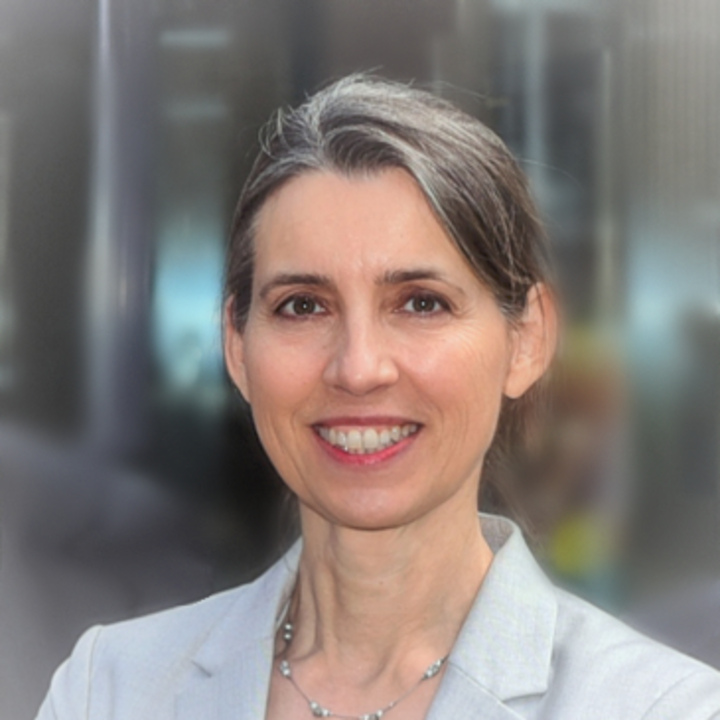
Prof. Dr Simone Pauling

Prof. Dr Simone Pauling heads the department of “Safety, Health Protection, Environmental Protection and Quality Management”. She studied agricultural sciences at the University of Hohenheim (BSc) and the University of Reading in England (MSc). She subsequently worked in quality assurance and sustainability management within global food chains and completed her PhD at Radboud University Nijmegen in the Netherlands on animal-welfare-compliant poultry slaughter. Before being appointed as a professor at Rhine-Waal University of Applied Sciences, she headed the research department of a leading international food processing group.
Her research focuses on the resource-efficient and sustainable transformation of the agricultural and food industries. Current research questions concern the sustainability assessment and optimisation of existing value chains, as well as the innovative use of waste and by-products to produce high-quality nutrients and valuable materials, e.g. through insects. Prof. Pauling is a member of HSRW’s Sustainable Food Systems research cluster.
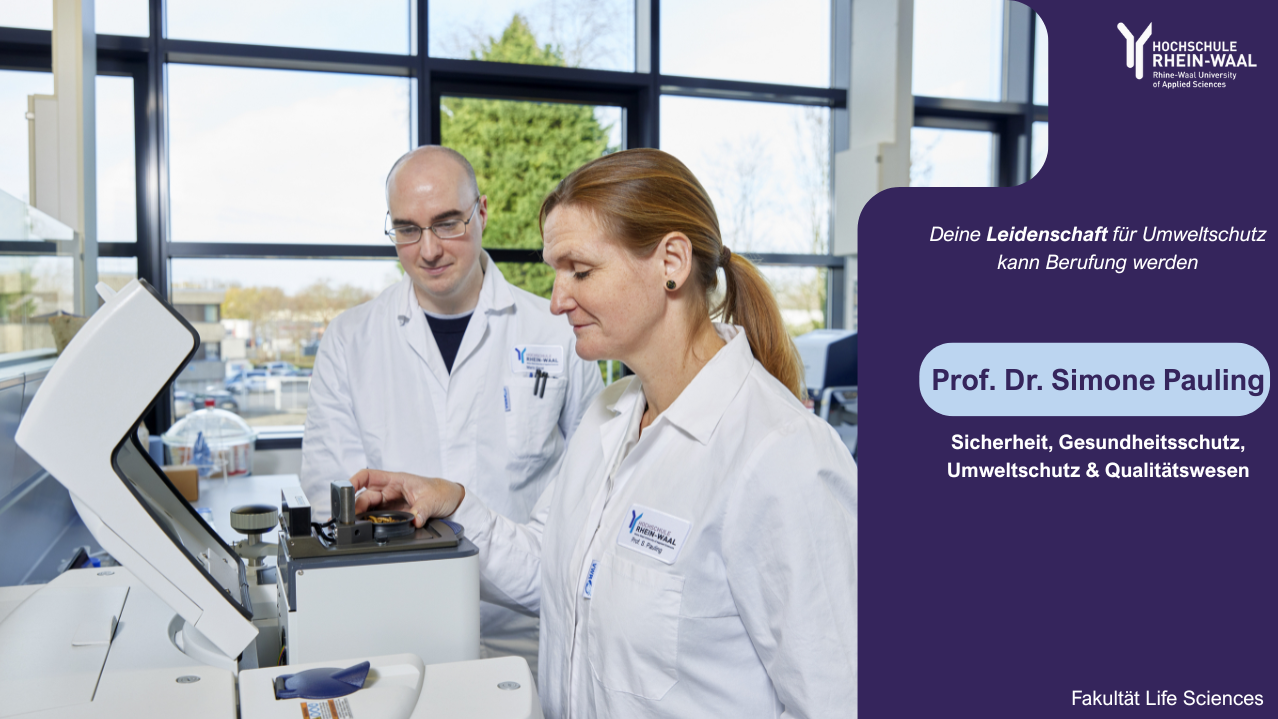
Prof. Dr Mona Wappler

Prof. Dr Mona Wappler heads the Department of Business Logistics at Rhine-Waal University of Applied Sciences. The design, operation and development of supply chains have been the focus of Prof. Wappler’s work for many years. She studied Industrial Engineering at Otto von Guericke University Magdeburg and completed her PhD at Dortmund Technical University on the topic of ‘Network Effects in Supply Chain Risk Management’. In her doctoral research, she examined both theoretically and empirically how logistics performance can be ensured in supply networks (even in the event of short-term disruptions).
Prof. Dr Wappler has more than 10 years of practical experience gained from various roles in industry and consultancy. She applies this knowledge to teaching and research, for example by identifying relevant issues in the fields of supply chain management and logistics and developing application-oriented solutions and processes. A key focus of her current research is on logistical issues surrounding the development of the hydrogen economy.
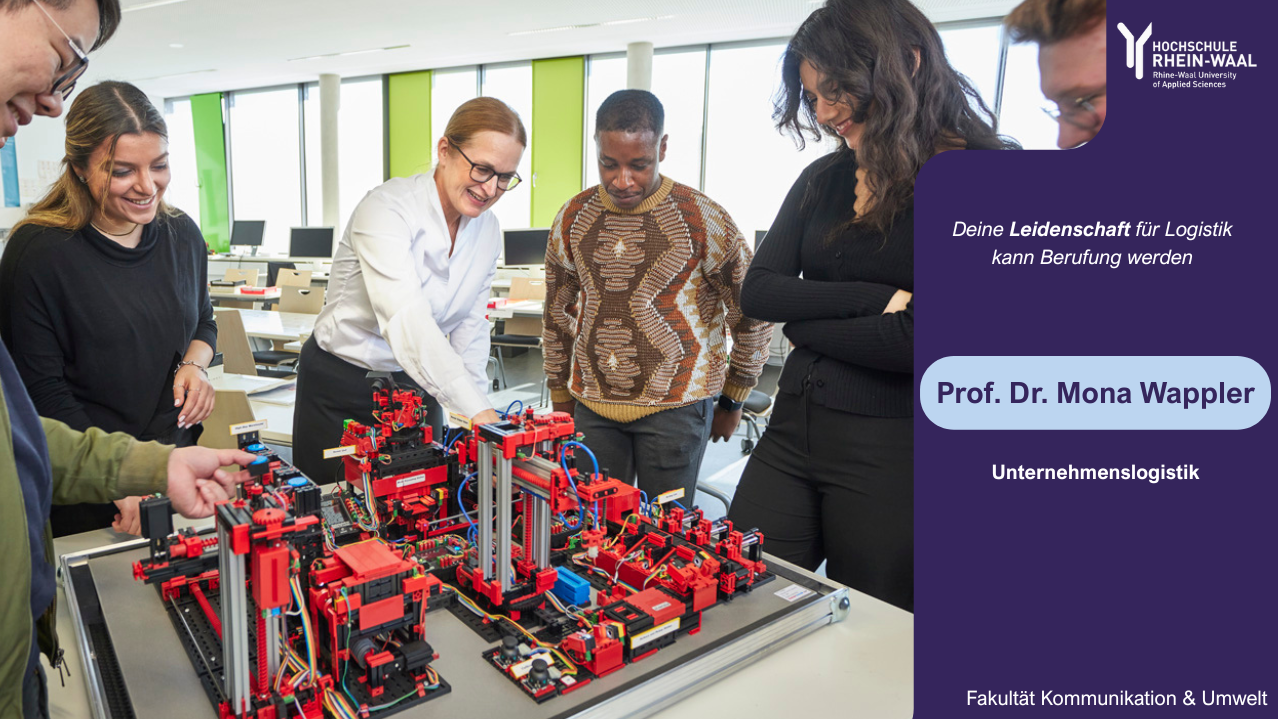
Prof. Dr Corinna Titze

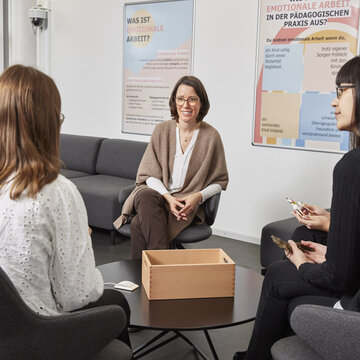
Prof. Dr Corinna Titze studied psychology (Dipl.-Psych.) and obtained her PhD at the Faculty of Mathematics and Natural Sciences at Heinrich Heine University in Düsseldorf. She subsequently undertook further training in the fields of mediation and systemic couple and family therapy. She worked as an expert witness in family court assessment proceedings on issues relating to child welfare risks as well as access and custody rights. In addition, she worked as a therapist in the outpatient and day-care sectors for children and young people at the LVR Clinic. Most recently, she was employed as a psychologist at the Regional School Counselling Centre for the Wesel district.
Dr Titze has been appointed as a professor specialising in Applied Psychology at the Faculty of Society and Economics at Rhine-Waal University of Applied Sciences. Her main area of research is the topic of emotional labour, which concerns the experience, deployment and processing of emotions, as well as their impact on mental health in everyday working life. Her research focuses on educational professionals.
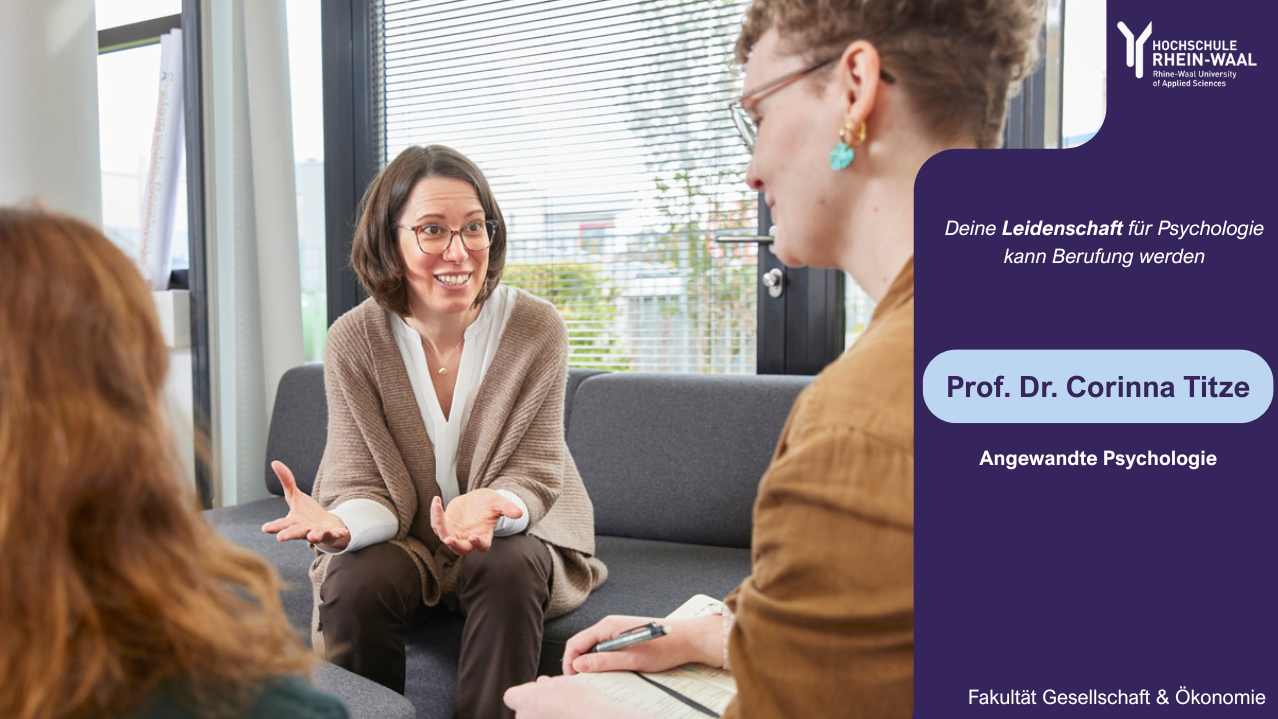
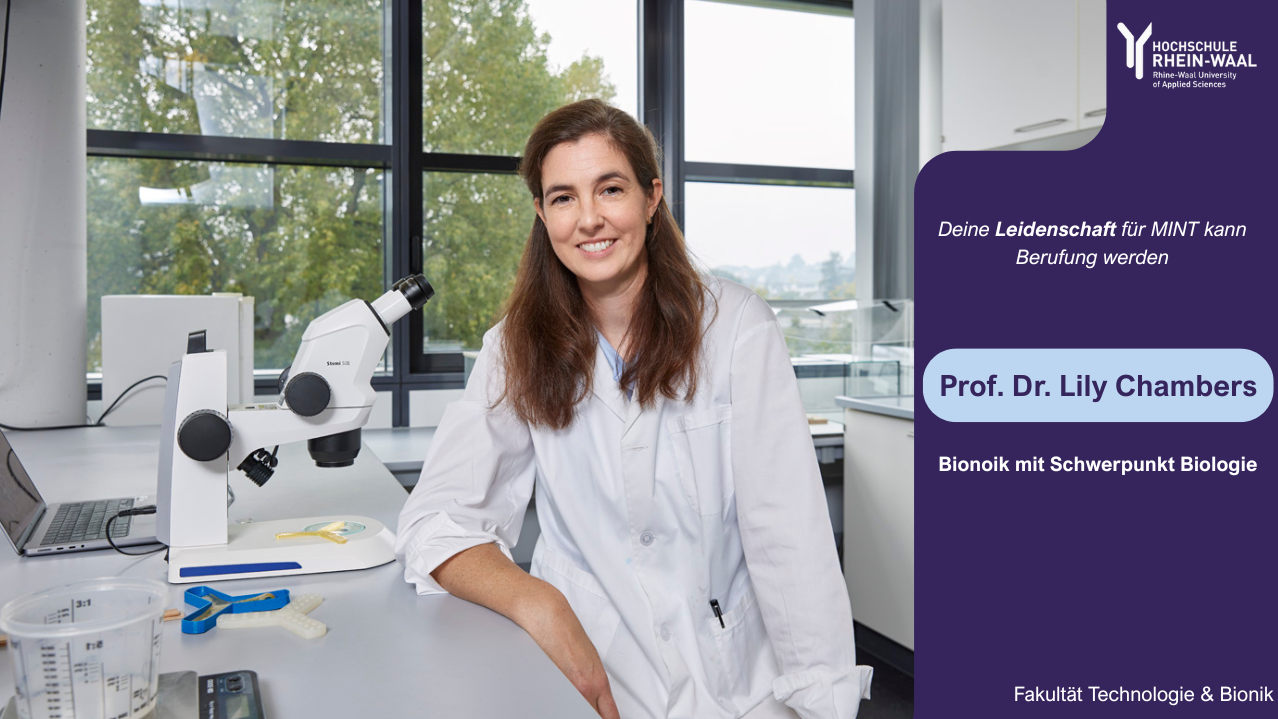
Prof. Dr Lily Chambers

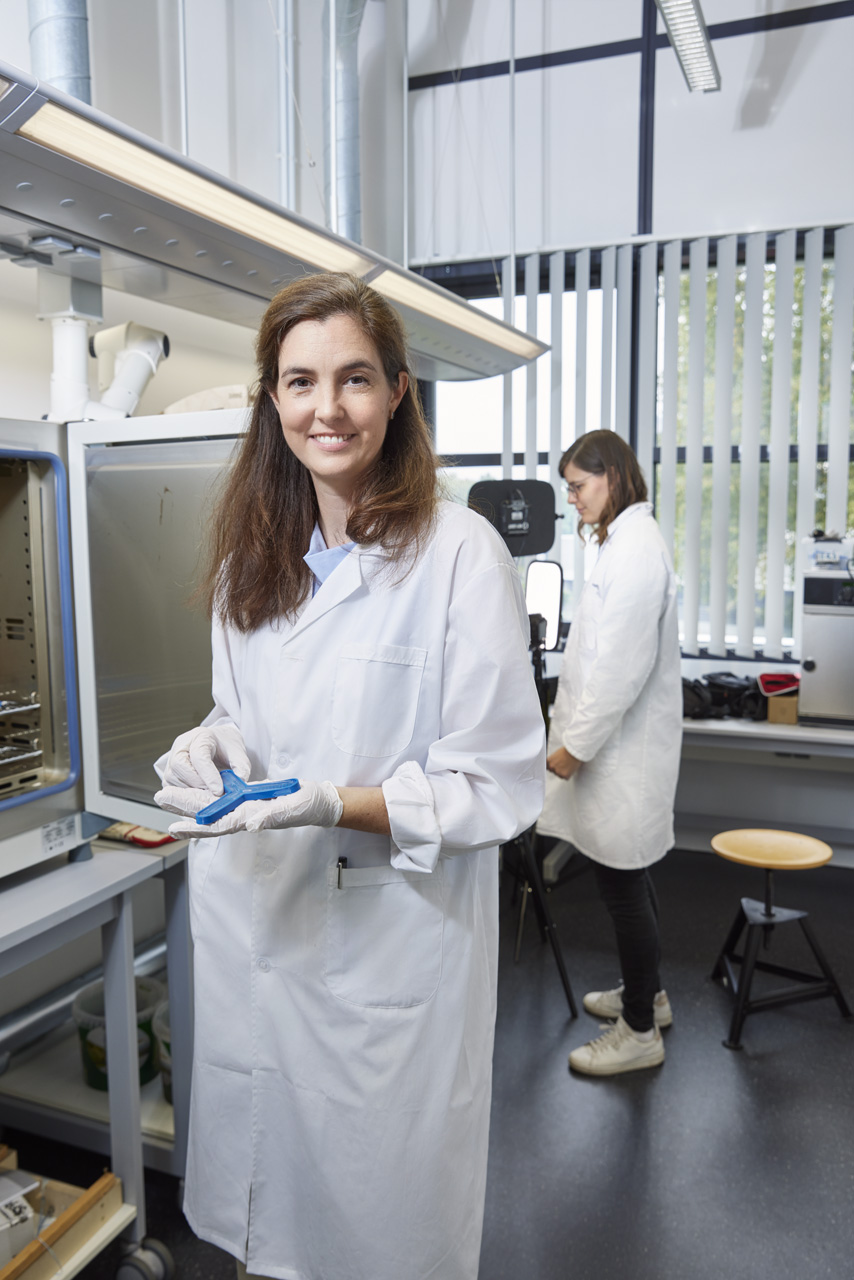
Prof. Dr Lily Chambers obtained her PhD in Materials Science and Engineering at the University of Southampton (UK), where her research focused on environmentally friendly ‘anti-fouling systems’ for ship hulls. She undertook further training in underwater sensor technology and robotics at the Ocean Technologies Lab at the University of Bath, and in artificial muscle actuators and microbial fuel cells at the Bristol Robotics Laboratory at the University of Bristol. She was appointed Professor of Bionics with a focus on biology here at the Faculty of Technology and Bionics. Her research focuses on bionics, the abstraction of natural systems for technical solutions, particularly in the fields of biorobotics and biodegradable technologies.
By using technical materials and surfaces to mimic the function of biological models, she has recently been working on the development of soft grippers and anchors. These natural mechanisms provide insights into gripping and movement on unstable and wet/dry surfaces. The technological and scientific implications of this research lie in the development of sustainable technical solutions in the fields of soft robotics, environmental monitoring and biomedicine.
Through its ‘focus professorships’, Rhine-Waal University of Applied Sciences is establishing, as part of the PRO4-HSRW initiative, a flexible, ‘adaptable’ scheme for professors who are already in post: their teaching load is temporarily reduced to enable them to focus on tasks of strategic importance to the university. Interdisciplinary teams tackle current issues and challenges at universities of applied sciences and within the higher education landscape as a whole. In this way, the specialised professorships promote the sharpening of the university’s profile as well as future-oriented teaching and research at universities of applied sciences.
A total of four priority professorships will be established, each for a duration of one year, and will be staffed on a cross-faculty basis with four professors from all faculties.
Chair in ‘AI in Higher Education’
Period: Summer semester 2025 – Winter semester 2025/2026
Lead professors: Dr Joachim Fensterle, Prof Alexander Gerber, Prof Matthias Krauledat and Prof Ulrich Pfeiffer
The aim of this cross-faculty collaboration between four professorships, which can already contribute expertise in AI to the group, is to pave the way for students and staff at the university to use AI sensibly and responsibly, to evaluate it, and to further develop learning and teaching on this basis. The focus is on an interdisciplinary approach that offers as many university lecturers as possible the opportunity to identify points of connection for the meaningful integration of AI tools into study and teaching. At the same time, different approaches to AI must be considered within a disciplinary context, derived from varying emphases on the dimensions of further development, use and critical examination of AI.
Chair in “Equality, Diversity, Inclusion and Participation”
Period: Summer semester 2025 – Winter semester 2025/2026
Lead professors: Prof. Dr Klaus Hegemann, Prof. Dr Eva Maria Hinterhuber, Prof. Dr Achim Kehrein, Prof. PD Dr-Ing Sylvia Moenickes
The aim of this cross-faculty collaboration between four professorships in the context of participation, inclusion, diversity and equality is to demonstrate to students and staff at the university, across disciplines, how the heterogeneity of the student body and teaching staff can be sensitively incorporated into teaching. The aim is to develop practical recommendations that also demonstrate to teaching staff who are not specialising in social science analysis of society the extent to which participation, equality, inclusion and diversity play a role in their role as role models and in their subject expertise, and how these aspects can be dealt with effectively. Best practice examples, interdisciplinary perspectives, advisory services and emerging teaching and learning materials are intended to help embed the goals of equality and participation firmly within teaching and to offer lecturers the support they need without having to compromise their focus on their subject expertise.