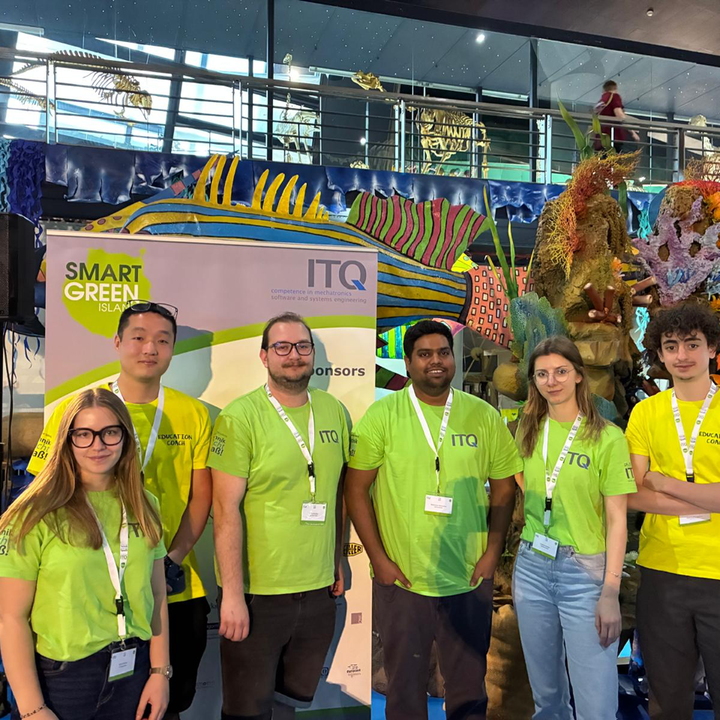
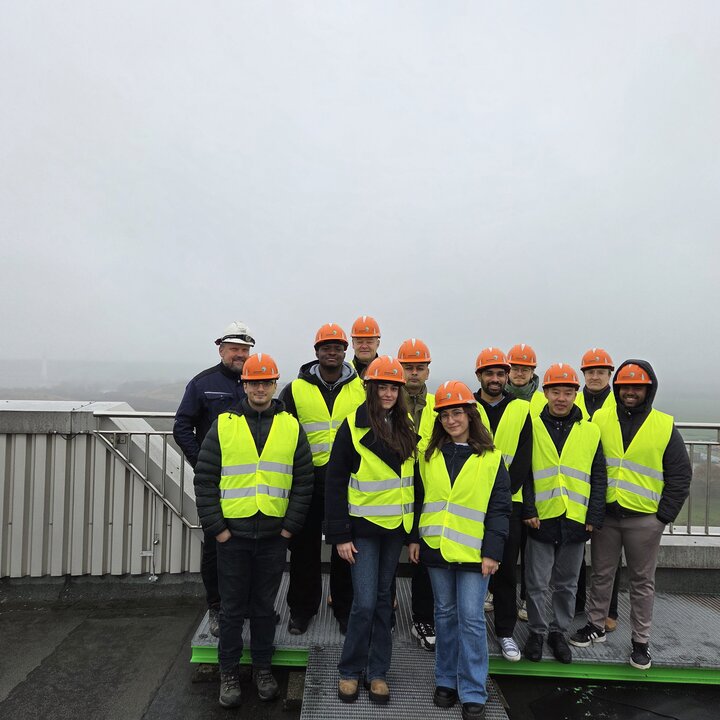
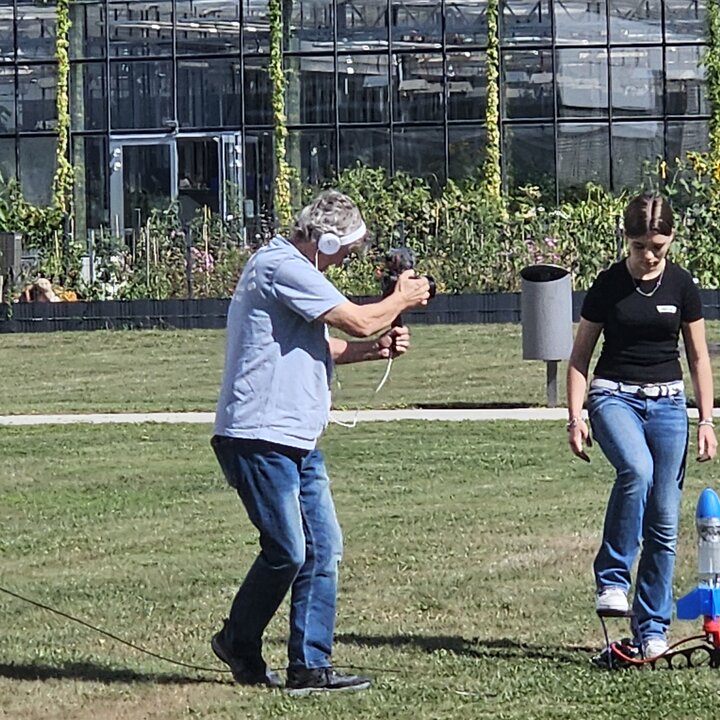
Every day at 11.00 am, we warmly invite you to join us for a guided tour of the Green FabLab and the outdoor area. On Saturdays and Sundays, we offer an additional guided tour at 12.00 noon. Insightful talks at the weekends, also at 11.00 am, provide a further opportunity to listen and discuss.
You can find more information about the events in the sidebar and on the Green FabLab pages, where you can also register.
Here are our highlights for October
3 October 2020, 11.00 am
Bionics on the submarine race track
Submarine racing is a unique sport that combines diving, engineering and teamwork. At Rhine-Waal University of Applied Sciences, this challenge is taken to a whole new level by doing away with propellers. The submarines are powered by bionic innovations inspired by fish, turtles and whales. Take a look at one of the submarines and discover how we can learn from nature’s inventions and compete with the world’s best underwater.
4 October 2020, 11.00 am
Rainwater
harvesting The droughts of recent years in Germany have brought rainwater harvesting back into sharp focus. Many people are realising that drinking water is too precious a resource to be used for watering the garden, flushing the toilet or even running the washing machine at home. Find out how rainwater harvesting systems work and how using them can conserve water supplies, relieve the strain on sewers and sewage treatment works during heavy rainfall, and reduce the risk of flooding.
7 October 2020, 12.00 and 15.00 Workshop
: Soft Robotics – How to
build bionic robots from air and rubber Robots. They’re everywhere these days. They build cars on assembly lines, they mow the lawn, they explore other planets and they search for people under buildings that have collapsed in earthquakes. They even play basketball! But what do all these machines have in common? They’re all stiff and clunky, made of hard plastic and metal, and too dangerous to work alongside humans. So we need a new kind of robot, one made from softer materials – a robot you can shake hands with! Come and learn how to make some of the grippers and muscles that will power the next, friendlier generation of robots.
10 October 2020, 11.00 am
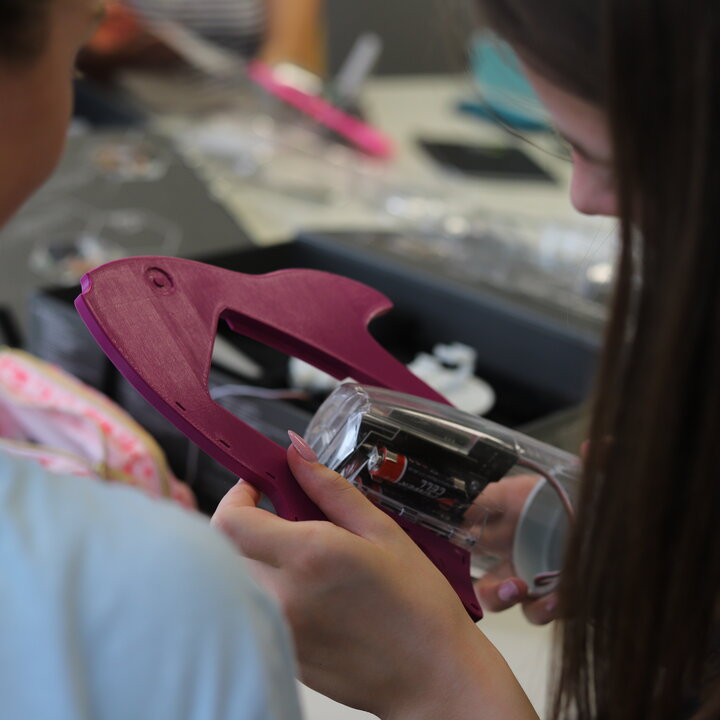
Bionics workshop: Fish, elephants and chameleons become robots, lifters and grippers
Bionics, they say, is a new way of solving technical problems. Well, actually, it’s an old approach. Nature had already solved technical problems long before humans existed! We can learn a great deal from nature’s environmentally friendly ways. If you had to move through water, is there a better teacher than a fish? If you had to manipulate something, an elephant can show you how to skilfully manipulate and handle small objects. And if you had to catch something, nobody does it faster than a chameleon! Come and learn how to make bionic machines inspired by these amazing animals.
11 October 2020, 11.00 am
Workshop: Fully Automatic Watering System: Build
It Yourself The summers of 2018 and 2019 have shown that drought and water scarcity – symptoms of climate change – have reached Central Europe and are highly likely to continue to shape water management in Germany in the coming years. From large-scale agriculture to domestic allotments, the demand for smart irrigation systems is therefore set to grow significantly.
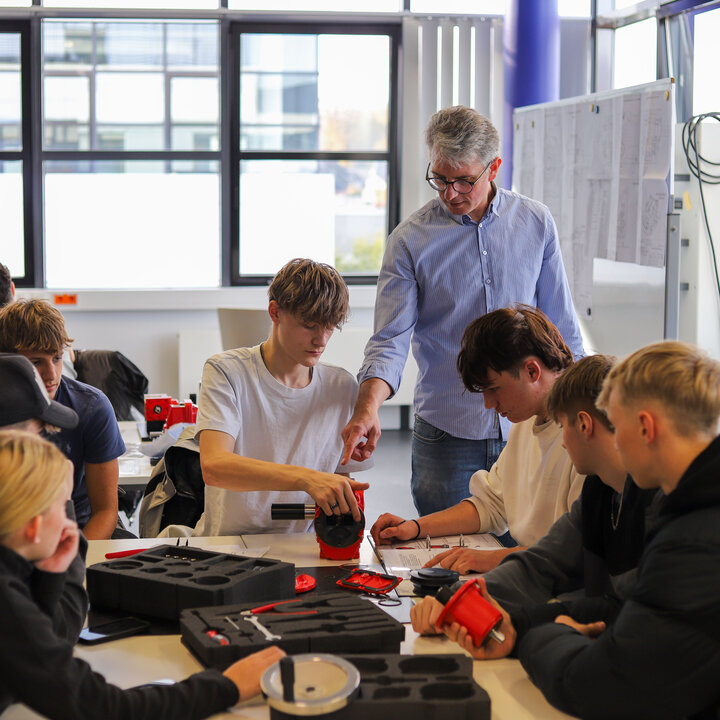
This workshop provides practical guidance on how to build your own fully automatic irrigation system, tailored to the size of a window box. Pupils will be taught, step by step, about electrical and electronic systems, how a moisture sensor works, how to read sensor data and, based on this, how to control a pump for irrigation. At the heart of this irrigation system is a control module; the basics of the Arduino programming language will be taught so that pupils can programme it.
Due to hygiene measures, the number of participants in the workshop is limited to 8 people.
Please note:
The number of participants in guided tours and workshops is generally limited to 10 people. A maximum of 20 people may attend the talks and discussions. Registration takes place via the Green FabLab website. However, for most events, a few places may still become available a quarter of an hour before the event begins.
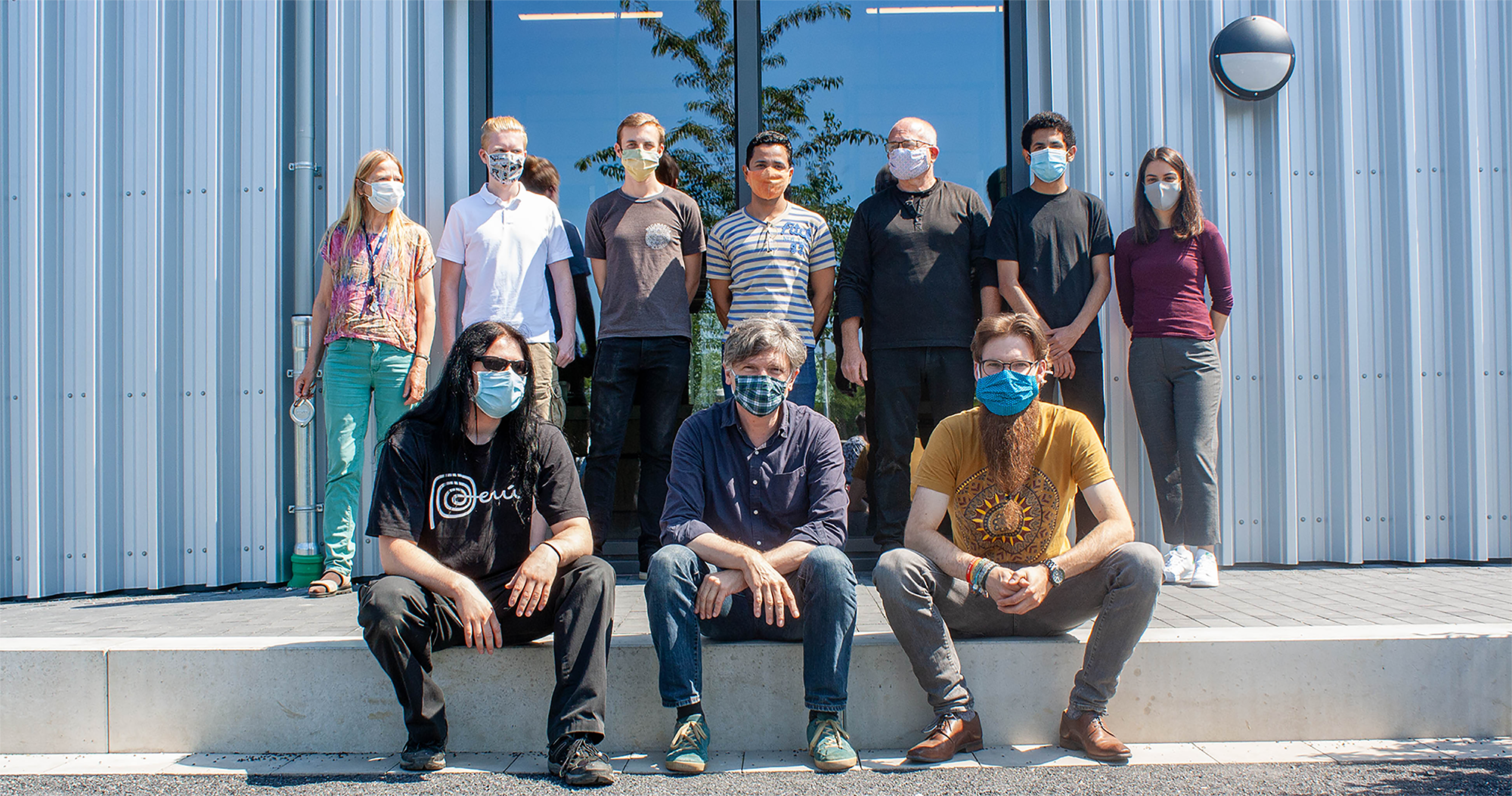
All visitors are asked to wear a face covering.
This project is funded by the European Regional Development Fund (ERDF)