On 29 May, the trip began with a visit to a beautiful vineyard in Montfrin, a small village near Avignon in the south of France. An old mill provided the students with the perfect setting in which to share their many daily experiences.
The first leg of the trip took the group to the Camargue, a region situated between the two branches of the Rhône estuary. In the town of Arles, the students visited a local weekly market, where the scents of fresh fruit and vegetables, herbs, olive oil, bread and flowers from the region mingled enticingly. The group then visited the French company ‘Biosud’, which processes and markets organically grown rice and cereals from the region.
The group spent the following day at the Camargue Museum and on peaceful walking trails in the nature reserve. “In the Camargue, we discovered a unique landscape with a great diversity of birds and plants. The flamingos were a particular highlight. We also learnt about various regional methods of rice cultivation, which really broadened our agricultural knowledge,” said Blanca Paschen, a student on the “Sustainable Agriculture” course.
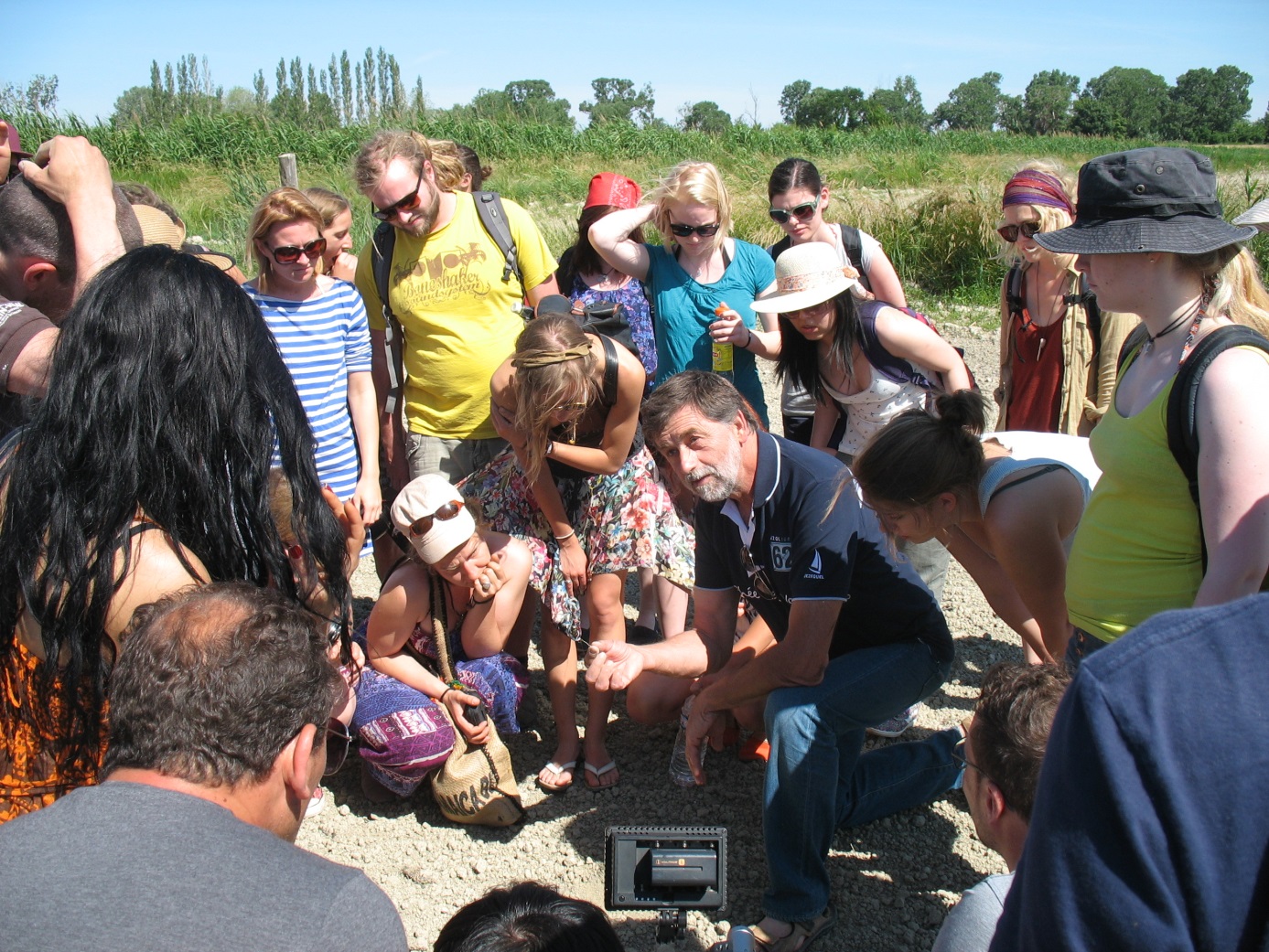
Mr Bernard Poujol explains to the students how rice is grown in the Camargue.
Following their exploration of the Camargue, the group travelled to Les Baux-de-Provence. There, as well as visiting an ancient village, the students toured an organic olive farm with its own oil mill.
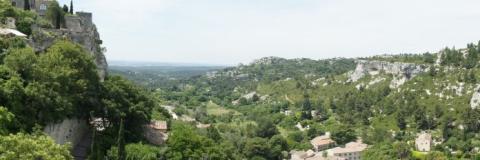
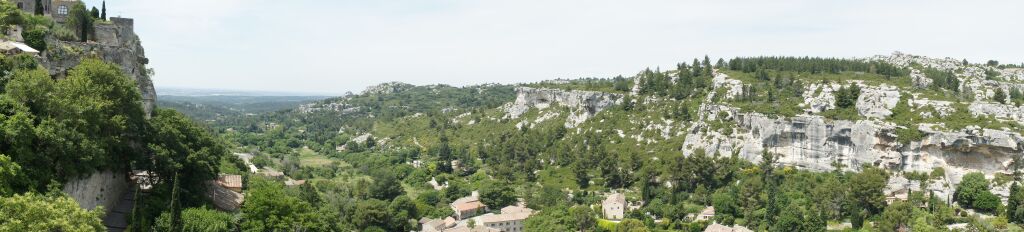 Panoramic view of the Alpilles landscape near Les Baux-de-Provence
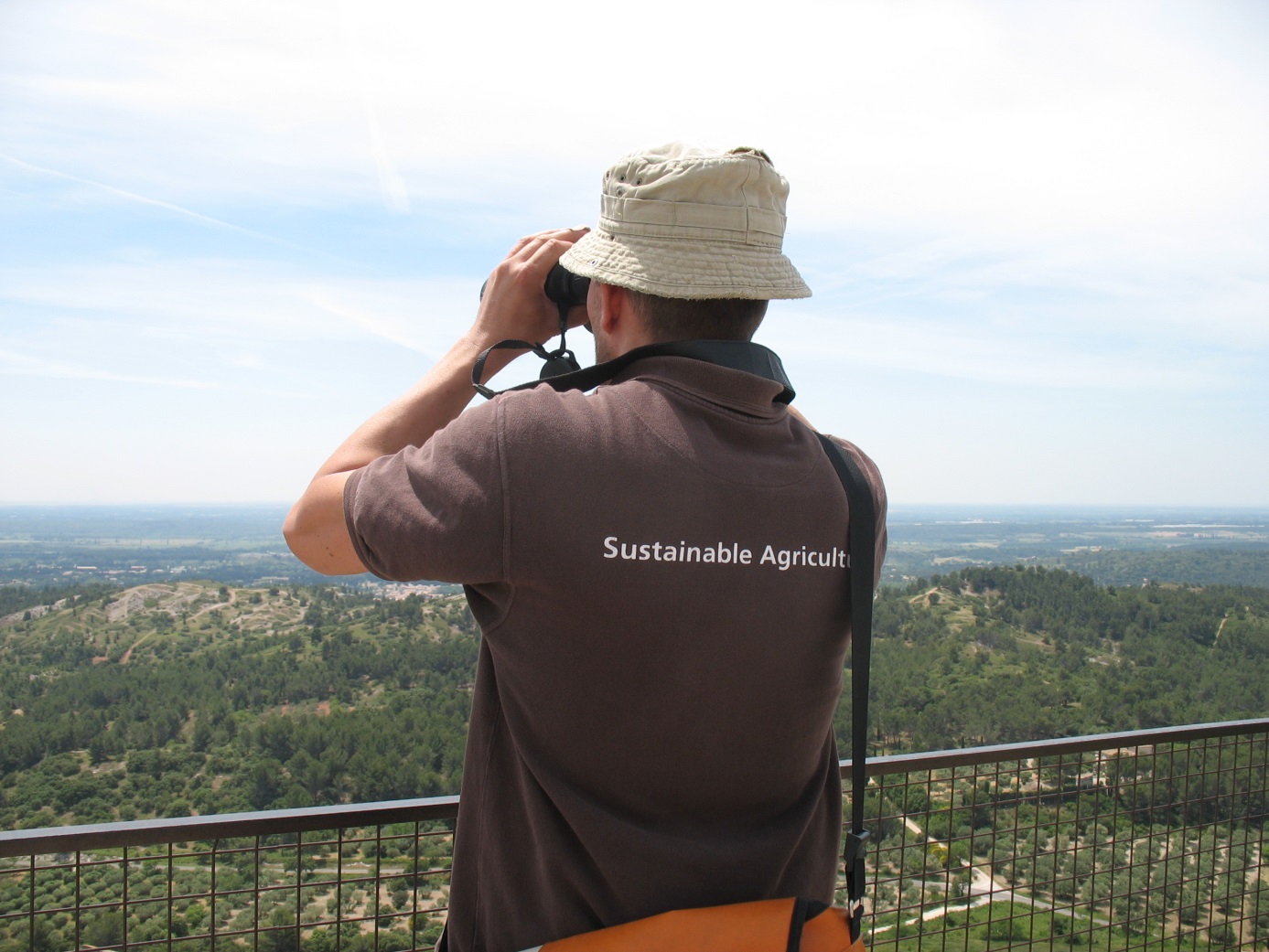 Prof. Dr Florian Wichern explores Les Baux-de-Provence with a pair of binoculars
The students experienced France’s rural development first-hand in Saint-Martin-de-Crau and Mas de Granier. There, for example, they learnt about the Longo-Maї cooperative, which practises agriculture and horticulture in a manner typical of the region. “It was extremely interesting to see how the Longo-Maї cooperative approaches the concept of sharing, living and working together. It sets an example for a sustainable future in which people can live in harmony with one another and with nature,” said Mischa Mussler, a student on the “International Relations” degree programme.
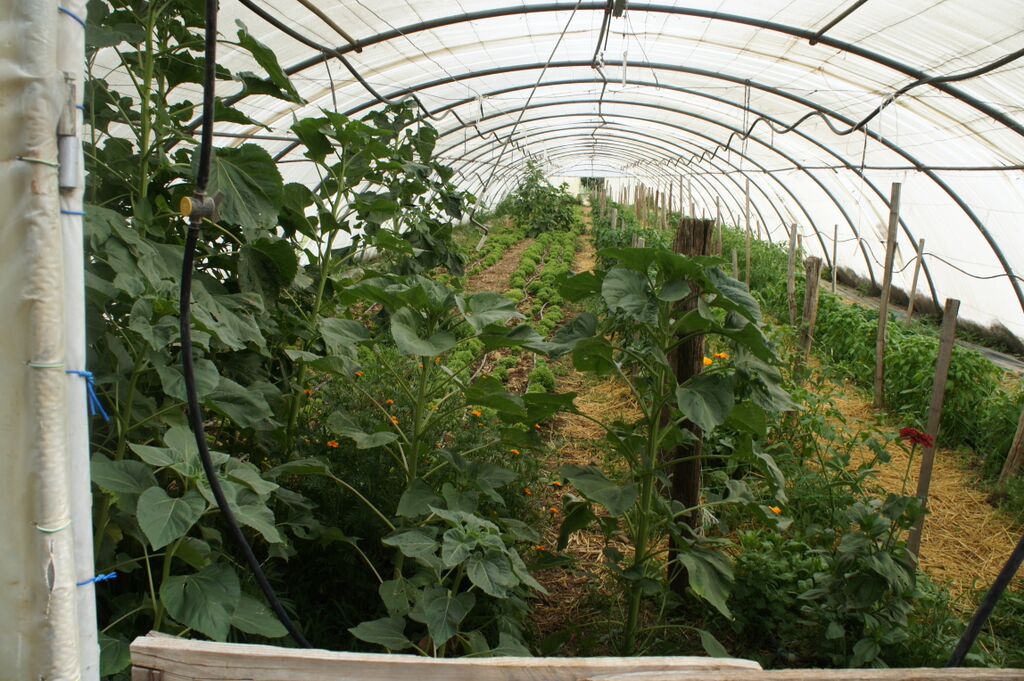 Greenhouse at the Longo-Maї Cooperative, Mas de Granier
In Montpellier, the students met with representatives from the research institute ‘Bioversity International’ to learn more about current research projects in the field of international agriculture.
The final leg of the excursion took the group to Lyon, home to Rhein-Waal University of Applied Sciences’ partner university, ‘ISARA-Lyon’. Students explored the campus and took the opportunity to find out about the possibilities of an exchange semester. To give the students an insight into local land use and organic farming, ISARA-Lyon organised an excursion for the Rhein-Waal University of Applied Sciences students to a nearby farm and a traditional fish farm.
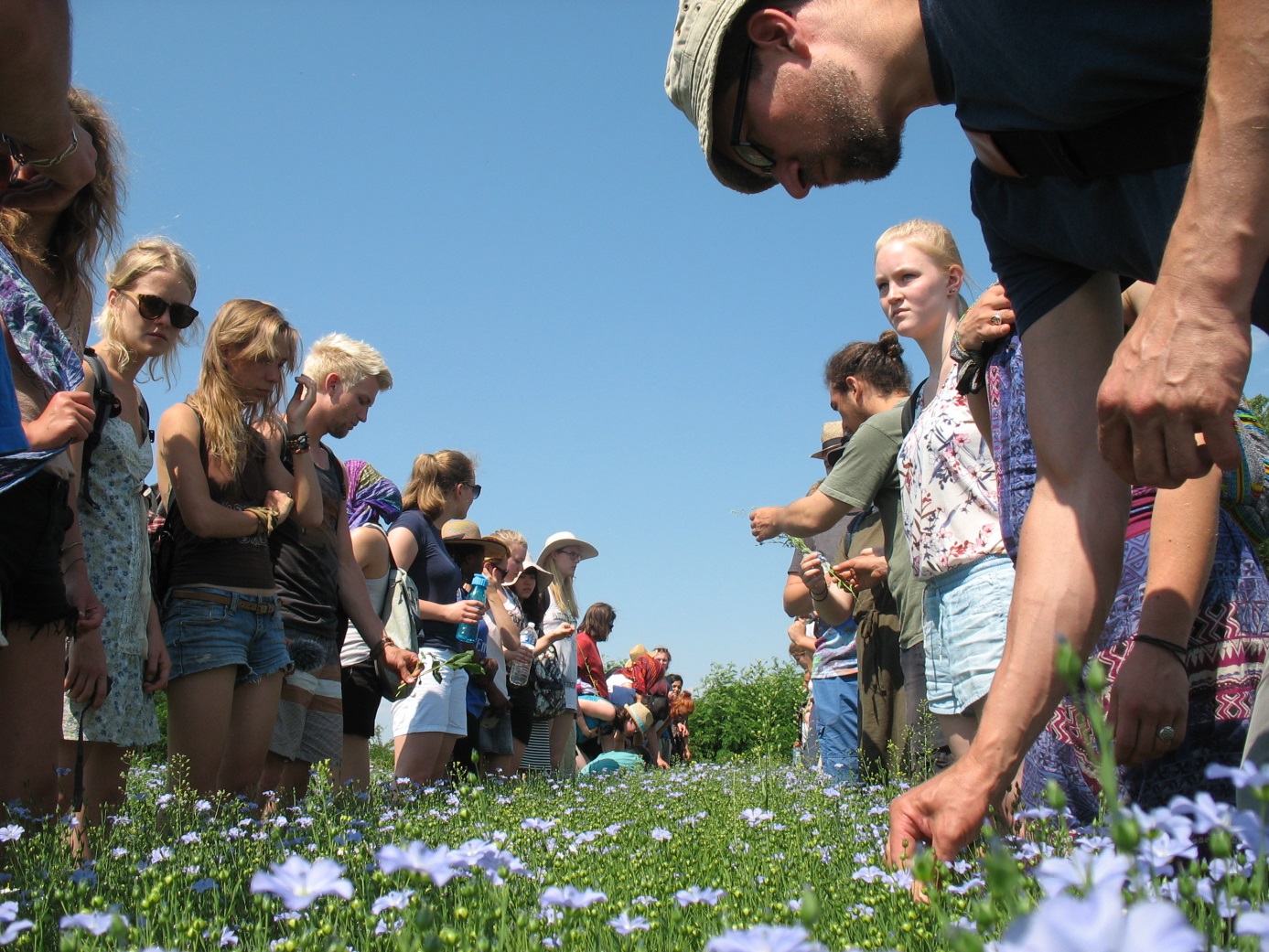 Bâgé-la-Ville
Over the next two days, the students got to know the city of Lyon. Particular attention was paid to the “weekly markets and the diversity of regional produce”, explained Prof. Dr Jens Gebauer. For Sophie Radtke, a student on the ‘Sustainable Agriculture’ programme, the weekly markets were particularly interesting because the visit gave her a completely new perspective on the origin and production of the products.
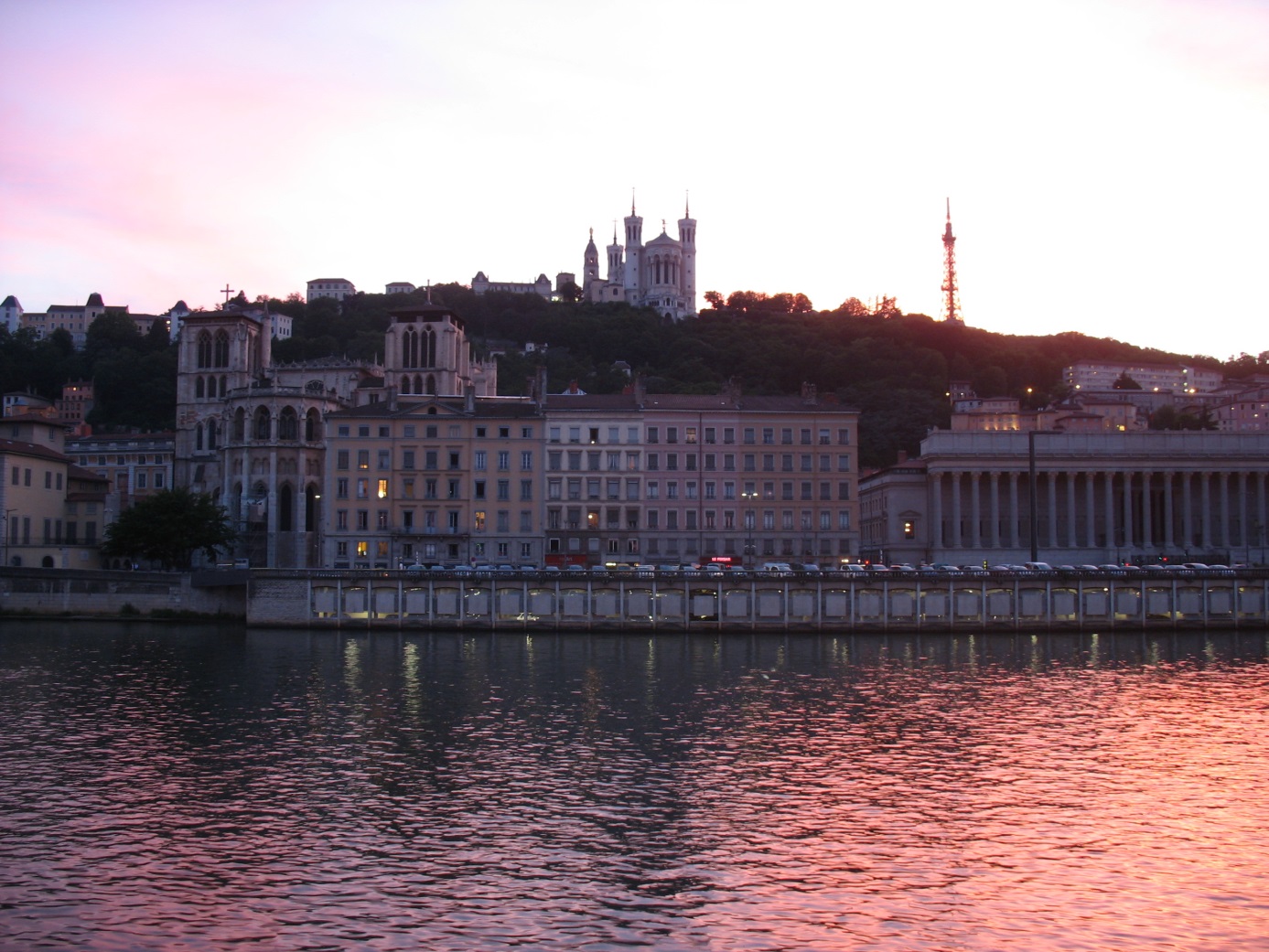 Sunset in Lyon
After a wonderful time in Lyon, the group finally returned to Kleve to reflect on the experiences and impressions of the eventful ten days. “This excursion proved to be a great opportunity to learn more about Mediterranean agriculture, particularly in the south of France. Given all the new experiences, which were captured both in photographs and as lasting memories, the learning outcome can certainly be described as lasting, as the students will be able to look back on what they experienced with all their senses. We will build on what we have learnt in future courses,” said Prof. Dr Florian Wichern. “We would particularly like to thank the Faculty of Life Sciences and the Friends of Rhein-Waal University of Applied Sciences – Cleve Campus e.V. for their fantastic support, which made this field trip affordable for the students. I am certain that spring excursions of this kind will remain a firm tradition at Rhein-Waal University of Applied Sciences.”
The students on the ‘Sustainable Agriculture’ and ‘Agribusiness’ programmes at the Faculty of Life Sciences were accompanied by Prof. Dr Florian Wichern, Professor of Agricultural Sciences; Prof. Dr Dagmar Mithöfer, Professor of Agribusiness; Prof. Dr. habil. Jens Gebauer, Professor of Sustainable Agricultural Production Systems, specialising in horticulture; and Ms Raluca Zekić, Research Assistant in the Department of Economics.