6th Ethics Day of Rhine-Waal University
Chain Reactions. Ethics and Values in Global Supply Chains
Supply chains are both the driving force and the Achilles’ heel of our globalised world. They create prosperity, yet also leave us vulnerable: local crises can set off chain reactions across the globe. At the same time, they raise pressing ethical questions: which values are we willing to stand by — and how can we uphold them in an increasingly interconnected world?
At the 6th Ethics Day of Rhine-Waal University of Applied Sciences, experts from academia, politics and industry will come together to explore these questions in panel discussions, talks and workshops. Topics range from the energy transition and the regulation of artificial intelligence to new genetic technologies. Join us for thought-provoking debates, fresh perspectives and the chance to share your own perspectives
Events will be held in German with English subtitles.

Ethics Talk | May 5, 2026 | Green FabLab
Start: 6.30 p.m.
Chain Reactions – Can We Afford Our Values?
Panel discussion with
Dr Dorothee Schröder-Krings, Rheinische Post
Claudia Brück, Fairtrade Deutschland
Kirsten Wittke-Lemm, Business Association for the Chemical and Metal Industries of the Lower Rhine
Professor Dr Christoph Landscheidt, Mayor of Kamp-Lintfort, Vice President of the German Association of Towns and Municipalities
Dr Günther Bergmann, Member of the State Parliament
Ethics Day | May 5, 2026 | Kamp-Lintfort Campus
| 1.00 p.m. | Welcome Professor Dr Oliver Locker-Grütjen, President of Rhine-Waal University |
| 1.15 p.m. | Keynote Responsibility Requires Data: Transparency in Supply Chains as an Information Problem Dr Nikolaj Otte, Expert in Quantitative Sustainability, ecoimpuls |
| 1.45 p.m. | Discussion & Reflections Who Bears Responsibility? Ethics in the Development of Digital Assistive Technologies Professor Dr Nele Wild-Wall, Rhine-Waal University |
| 2.00 p.m. | Discussion & Reflections Algorithmic Value Creation vs. a Rule-Based World Order: Why AI Supply Chains Are Hard to Regulate Professor Dr Matthias Krauledat Professor Dr Matteo Große-Kampmann, Rhine-Waal University |
| 2.15 p.m. | Discussion & Reflections Broken (Transatlantic) Supply Chains of Ideas and Values Professor Dr Alexander Brand Professor Dr Klaus Hegemann Rhine-Waal University |
Workshops | 3.00 - 4.30 p.m.
As the number of participants for the workshops is limited, we kindly request prior registration.
Workshop 1
Nature as a Rights-Bearing Entity – New Perspectives on Responsibility in Global Supply Chains
How does our understanding of responsibility change when nature itself is granted legal rights? Our workshop “Nature as a Legal Subject – New Perspectives on Responsibility in Global Supply Chains”, we will explore current international approaches that recognise rivers, forests, or entire ecosystems as legal actors. Drawing on concrete case studies, the workshop will examine the ethical, legal, and practical implications of these developments for global supply chains. Participants will analyse emerging conflicts, discuss potential impacts on companies, states, and Indigenous communities, and develop their own perspectives on sustainability and responsibility in global trade. The session will conclude with a critical reflection on whether granting legal rights to nature represents meaningful progress or merely symbolic politics.
Dr Caroline Breidenbach, Rhine-Waal University
Workshop 2
Heating in Germany: Balancing Energy Security, Climate Protection and De-Risking
Germany is currently debating reforms to its building energy legislation, including proposals to replace the Building Energy Act (GEG) with a new Building Modernisation Act (GMG) in 2026. The proposed reform aims to simplify complex regulations and promote greater technological openness. At the same time, Germany remains bound by European regulations, particularly with regard to climate protection targets. In addition, the energy crisis of 2022/23 has once again demonstrated how strongly international conflicts can affect energy supply and prices. Could renewable energy sources contribute to greater planning certainty in this context? And what would this mean for tenants, homeowners, property owners and landlords, particularly when it comes to heating? These questions will be discussed from different perspectives, explicitly allowing for controversial positions.
Thomas Klimeck
Professor Dr Irmgard Buder
Rhine-Waal University
Workshop 3
Algorithmic Value Creation in Practice: An Ethical Reality Check of AI Platforms
In the Cloud Resilience Lab (03 02 110), participants will explore services such as Moltbook or rentahuman.ai that organise and monetise interactions between AI systems and humans. These hands-on insights will serve as the starting point for a concise ethical discussion on responsibility, transparency, and the regulation of algorithmic value creation.
Professor Dr Matteo Große-Kampmann
Professor Dr Matthias Krauledat
Rhine-Waal University
Workshop 4
Who Bears Responsibility? Ethics in the Development of Digital Assistive Technologies
This workshop offers an introduction to key ethical challenges associated with emerging technologies. Using digital assistive technologies as a case study, participants will explore how such challenges can be analysed and addressed in practice. The workshop also introduces approaches and methods for the ethically informed development of assistive technologies.
Participants will also take away practical questions for reflection that can be applied in their own development and management practice.
Professor Dr Nele Wild-Wall, Rhine-Waal University
Workshop 5
New Genomic Techniques (NGT1): Implications for Supply Chains, Consumer Choice and Labelling
This workshop invites participants to explore current developments in new genomic techniques and their implications for supply chains. Participants’ views, concerns, hopes and expectations will be gathered and reflected upon, drawing on key background information. The discussion will then turn to the potential implications for supply chains, transparency and consumer choice. The workshop provides space for different perspectives, questions and open discussion, including controversial viewpoints.
Professor Dr Natalie Laibach, Rhine-Waal University
Dr David Spencer, Biologist and Science Communicator
Plenary session | 4.30 - 5.00 p.m.


2.00 pm – 4.00 pm
In good weather, in the courtyard.
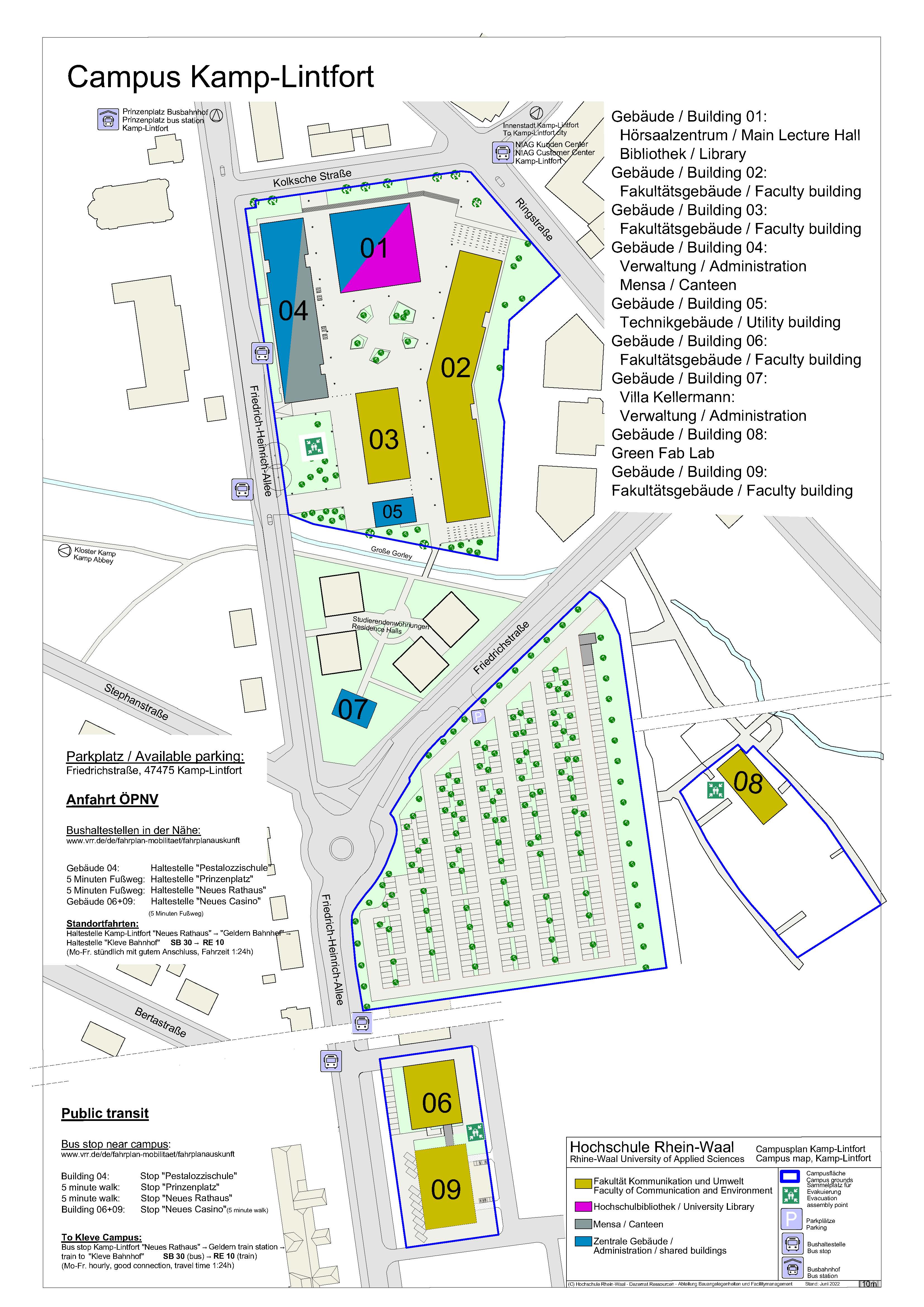
In case of rain in Building 2 | Ground Floor | Room 02 00 110
Batik Tutorial
As part of Ethics Day, the university’s Fair Trade group warmly invites you to a batik tutorial that highlights textiles as part of global supply chains and is complemented by accompanying information (in English) on fair trade. We will show you how batik can be used to design scarves, bags, or even upcycle old clothing.
Feel free to bring along white textiles you’d like to decorate. Alternatively, while supplies last, you’ll have the opportunity to batik fair-trade cotton bags on site.
Starts at 12.30 pm
Building 4 | 1st Floor | Corridor
Photo exhibition “Rainforest”
Striking photographs of the tropical rainforest by Ralf Darius are on display, highlighting both the beauty and the vulnerability of these unique ecosystems. The exhibition runs until the end of the semester and invites visitors to pause, reflect and engage in conversation.
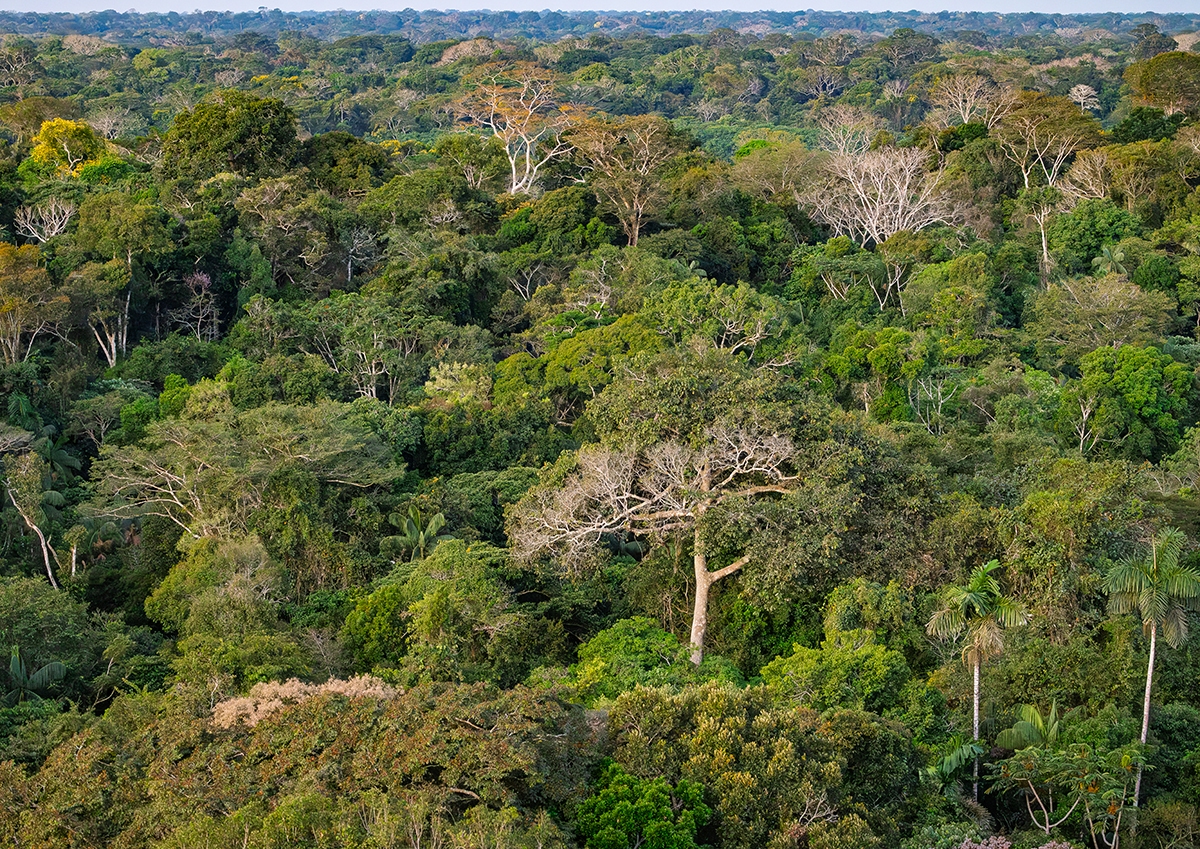
Photo: Ralf Darius
In Cooperation with
Supported by
Förderverein Hochschule Rhein-Waal e.V.
Förderverein Campus Camp-Lintfort e.V.
Förderverein Campus Cleve e.V.
Rotary Club Kamp-Lintfort/Grafschaft Moers
Quicklinks
Date and Time
Ethics Talk
May 5, 2026 | 6.30 p.m.
Ethics Day
May 6, 2026 | 1.00 p.m.
Venues
Rhein-Waal University
Kamp-Lintfort Campus
Friedrich-Heinrich-Allee 25
47475 Kamp-Lintfort
Ethics Talk
Green Fab-Lab | Kamp-Lintfort | Building 8
Ethics Day
Kamp-Lintfort Campus | Building 1 (Audimax)
Registration
We kindly request registration for both the event (non-binding) and the workshops (binding, as the number of participants is limited) through our online form
Contact
Email: ethik@hochschule-rhein-waal.de